
In the evolving world of natural ingredients, Himalayan Pink Salt in baking has gained serious attention. No longer limited to gourmet kitchens or spa treatments, this ancient mineral salt is now used by home bakers and professionals alike. But what makes it different from regular salt—and how should it be used in baking?
This article explores the flavor, texture, safety, and surprising benefits of baking with Himalayan salt. From understanding how it’s mined to knowing its health impacts and ideal culinary uses, here’s everything you need to know before sprinkling that pretty pink salt into your next batch of cookies.
What Makes Himalayan Pink Salt Different?
To understand why Himalayan Pink Salt in baking is becoming so popular, it’s important to look at its origins. This unique salt is extracted from deep within the ancient Khewra Salt Mine in Pakistan, one of the oldest and largest salt mines in the world. If you’re curious about its extraction, How Is Himalayan Pink Salt Mined? provides an insightful look at the careful, hand-mining process used to preserve its natural purity.
The Ultimate Guide to Himalayan Pink Salt: From Mine to Market further explains how the salt maintains its trace minerals, which include calcium, potassium, magnesium, and iron—elements that contribute to its distinctive pink color and mild flavor.
Unlike chemically refined table salt, Himalayan salt undergoes minimal processing. It’s often praised as the Healthiest Edible Pink Salt, and while the health benefits are subtle in small baking quantities, many choose it for its clean, unrefined quality.
Flavor & Texture: What to Expect When Baking with Himalayan Salt
A Milder, Earthy Taste
Himalayan pink salt has a naturally mild and slightly earthy flavor, making it ideal for baked goods where you want balance without overwhelming saltiness. When baking cookies, cakes, or artisan breads, it enhances sweetness without clashing—unlike some iodized table salts that can add a sharp, metallic note.
Some bakers also explore the Hidden Benefits of Himalayan Pink Salts, such as its ability to subtly enrich dough flavor and texture due to its mineral content.
Fine vs. Coarse Grains in Baking
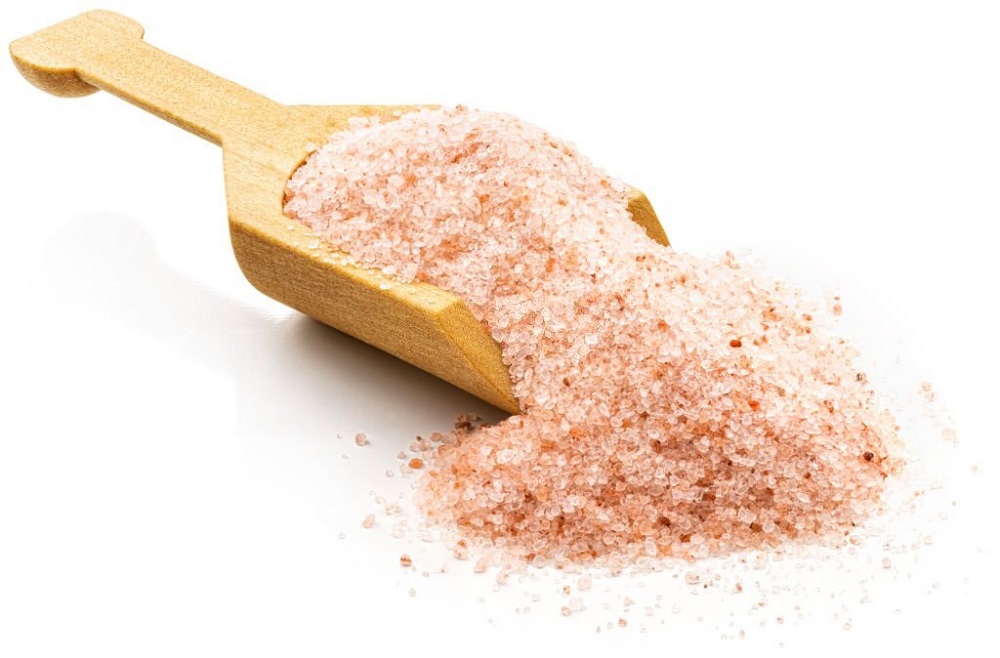
For most baking needs—like doughs, batters, and mixes—fine-grain pink salt is the best choice. It blends evenly and dissolves quickly. Coarse salt, however, makes an excellent finishing touch. Try a light sprinkle on top of warm brownies, salted caramel tarts, or dark chocolate cookies—it adds crunch, contrast, and visual appeal.
Just like one would choose Premium Quality Himalayan Salt Products for culinary excellence, selecting the right grain size is key to baking success.
So, here is the summary:
Baking Applications by Grain Size
- Fine grain: Cakes, cookies, muffins, bread, brownies.
- Coarse grain: Soft pretzels, salt crusted rolls, caramel drizzle garnishing.
- Chunky/flaky: Artisan desserts, chocolates, and post-bake garnishes.
Can You Substitute It for Regular Salt?
Yes, but with some care. Himalayan salt can be used in place of table salt, but remember—it’s denser and heavier by volume. One teaspoon of pink salt weighs more than one teaspoon of table salt, so it’s best to substitute by weight, not volume.
This is a good time to reflect on Himalayan Salt vs. Table Salt, which explains how both types differ in structure, taste, and even moisture retention. When substituting in baking, a digital scale will be your best friend to ensure consistent results.
Health Considerations in Baking
While Himalayan Pink Salt in baking won’t transform your diet, it does provide a cleaner alternative for those reducing processed additives. As discussed in Himalayan Salt Good or Bad, pink salt isn’t a magical health product—but it is a naturally occurring, mineral-rich option that avoids the additives found in refined salt.
The Himalayan Pink Salt Benefits and Uses blog further explores how this salt supports natural lifestyles—from culinary use to wellness and even home decor.
When used sparingly in baking, it can be part of a mindful diet—but moderation remains key.
Aesthetic Advantages in Sweet Creations
Beyond taste, one of the most underrated features of Himalayan pink salt is its visual appeal. The soft blush hue of the crystals stands out beautifully when sprinkled over dark or caramel-colored baked goods. In fact, the vibrant color is due to iron oxide, and the blog on Why is Himalayan Salt Pink? dives into the science behind this natural phenomenon.
Use it as a decorative topping on cookies, scones, or muffins to add both contrast and a gourmet touch.
Fun Ways to Experiment with Pink Salt in Baking
Looking to explore beyond just replacing table salt? Try these creative ideas:
- Use fine pink salt in chocolate lava cakes for subtle depth.
- Add a pinch to whipped cream or frosting to balance sweetness.
- Sprinkle coarse grains on salted peanut butter brownies.
Need more inspiration? The post on 15 Ways to Use Himalayan Salt includes both culinary and non-culinary applications—some of which might surprise you!
You might even consider giving Himalayan salt as part of a baking-themed gift basket. See our list of Himalayan Salt Gift Ideas for thoughtful and creative ways to share the pink salt love.
Is the Pink Salt You’re Using Really Himalayan?
It’s important to note that not all pink salts are truly Himalayan. Some brands market lookalike salts without proper sourcing. If you’re unsure, read Is Pink Salt Really Himalayan Salt? to understand how to identify authentic Himalayan salt from reputable suppliers.
As the Exploring the Origins of Himalayan Salt article reveals, genuine pink salt is geologically unique and formed over 250 million years ago—making its authenticity part of the experience.
Common Baking Questions About Pink Salt
Can you use Himalayan salt for all baking recipes?
Yes, as long as you use fine grain for mixing and coarse for finishing.
Can pink salt affect fermentation?
Not significantly, but poor dissolution might impact yeast rise. Pre-dissolve in water if needed.
Is it safe for kids’ treats?
Yes, when sourced responsibly and used in moderation.
Can you use it in humid kitchens?
Yes, but Placement Tips and airtight containers are a must, as pink salt is highly hygroscopic—just like when handling Salt Lamps in Humid Environments.
Final Thoughts: Is Himalayan Pink Salt in Baking Worth It?
In short—yes. Himalayan Pink Salt in baking offers subtle flavor, mineral content, natural beauty, and versatility. Whether you’re baking for health, aesthetics, or gourmet flair, this natural salt delivers on all fronts.
✅ Use fine grain for doughs and batters.
✅ Add coarse crystals for decorative finishes.
✅ Substitute by weight for accuracy.
✅ Source from trusted, food-grade brands.
As more bakers lean toward natural ingredients and mindful practices, pink salt continues to rise in popularity—not just for wellness, but for performance and presentation too.
So the next time you bake your favorite cookies or bread, reach for a pinch of pink—you might be pleasantly surprised.
Want to know more about us or explore a bulk order?