


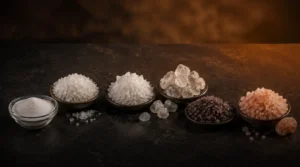
Types of Salt Explained: Table, Sea, Kosher, Rock, Black, and Himalayan Salt
Table, sea, kosher, rock, black, and Himalayan salt each differ in source, crystal size, and best use in your kitchen.

Himalayan salt massage combines the soothing experience of massage with the warmth, texture, and natural appeal of Himalayan salt. For people looking for a calming wellness ritual, it offers a simple way to make an ordinary massage feel more distinctive and spa-like.
In this guide, we will explore what Himalayan salt massage is, how it may support relaxation, what wellness benefits can reasonably be associated with it, how salt massage stones are used, and what precautions are important. The focus is on realistic, evidence-conscious wellness benefits rather than unsupported therapeutic claims.
Himalayan salt massage uses smooth pieces of Himalayan rock salt, commonly shaped into massage stones or rollers, during a massage. The salt tools may be used directly on the skin, often with massage oil, and can be warmed before use.
Himalayan salt massage stones are solid pieces of Himalayan pink salt that have been shaped and polished for comfortable handling. They are available in several forms, including Himalayan salt massage balls, flat stones, oval stones, heart shapes, rollers, and other ergonomic designs. Pakistani manufacturers produce these products for spas, massage professionals, wellness retailers, and home use.
Their smooth surface allows the stone to glide across oiled skin during massage. Their distinctive pink-to-orange appearance also adds a natural aesthetic element to the overall wellness experience.
Salt massage stones can be warmed and then held by a massage practitioner or gently moved across suitable areas of the body. Some designs can also be used without heating.
The main experience comes from the combination of massage, touch, movement, and warmth. Current research supports massage as a relaxation practice, while research specifically isolating Himalayan salt as the cause of additional health effects remains limited.
The relaxing experience of salt massage is best understood through the massage itself and, when used, the comfortable warmth of the stones. These elements can create a slower, more soothing sensory experience.
Warmth can make a massage feel more comfortable and soothing. When combined with massage movements, it provides gentle thermal and tactile stimulation that many people find relaxing.
Research examining heat and massage together has found changes associated with relaxation, although such findings should not be interpreted as proof that Himalayan salt itself produces these effects.
Massage can provide an opportunity to pause, slow down, and focus on physical sensations rather than daily demands. Research on standardized massage has found increases in subjective relaxation and reductions in reported stress during massage sessions.
This makes Himalayan salt massage particularly suitable as part of a general relaxation or self-care routine.
Relaxation is not only about physical pressure. Warmth, smooth movement, natural textures, a quiet environment, and the appearance of Himalayan salt can all contribute to the overall experience.
For spas and wellness centers, salt massage stones can therefore add a distinctive sensory element without requiring them to be presented as a medical treatment.
The potential wellness value of Himalayan salt massage should be kept realistic. Most of the reasonable benefits relate to the experience of massage, warmth, gentle skin contact, and relaxation—not to claims that minerals from the salt are absorbed through the skin or that the salt can treat health conditions.
Much of the appeal also comes from the salt’s origin story. Himalayan salt is typically sourced from salt mines in Pakistan and is often marketed as one of the purest salts available, which adds to its spa-like, natural character. It is also commonly described as containing up to 84 trace minerals, a detail that features heavily in how the product is marketed. This is worth appreciating as part of the sensory and aesthetic experience, but it should not be mistaken for evidence that these minerals produce a therapeutic effect when the salt is used as a massage tool.
A gentle massage can make areas of everyday muscular tension feel more relaxed and comfortable. Adding comfortably warm stones may make the experience more soothing.
However, Himalayan salt massage should not be presented as a treatment for injuries, chronic pain, or medical conditions. Evidence for massage varies by condition, and many reported effects are short-term.
Massage involves repeated pressure and movement across the skin and underlying tissues. These physical actions can temporarily influence local blood flow.
However, it is more accurate to describe this as a possible effect of massage rather than claiming that Himalayan salt itself improves circulation. Stronger health claims would require specific evidence.
Some Himalayan salt massage products have a textured surface that can provide gentle mechanical exfoliation. This can help remove some surface dead skin cells and leave the skin feeling smoother.
Exfoliation should always be gentle. Salt products are not appropriate for broken, irritated, or freshly damaged skin.
Perhaps the most straightforward wellness benefit is creating time for relaxation. A short massage session can become part of a broader self-care routine that includes rest, calm surroundings, and mindful attention to the body.
Himalayan salt adds a natural, spa-inspired element to that experience without needing exaggerated health claims.
Both approaches combine massage with the sensory experience of warmed stones, but the materials differ.
Main material | Himalayan salt | Usually basalt |
Main experience | Massage + warmth + natural salt | Massage + warmth |
Surface | Smooth, polished salt | Smooth stone |
Common setting | Spas, wellness centers, home use | Spas and massage practices |
Primary focus | Relaxation and sensory wellness | Relaxation and massage |
Traditional hot stone massage has also been studied specifically as a relaxation practice, but research on stone massage remains more limited than research on massage generally.
Using salt massage stones is relatively straightforward, but temperature and handling matter. The goal is a comfortable massage experience, not intense heat or pressure.
Salt massage stones should be warmed using equipment and temperatures appropriate for the particular product. If you’re wondering how to heat Himalayan salt massage stones safely, the key is gradual, even warming rather than direct or intense heat. This applies to all shapes, including hot salt massage balls, which should never be applied directly to the skin without checking their temperature first.
A comfortably warm stone is the objective. Excessive heat can cause skin burns, so professional spa practitioners should follow appropriate equipment and handling procedures.
Understanding how to use hot stones for massage comes down to a few basics: apply a suitable massage oil, then move the smooth stone with controlled, flowing movements. Pressure should remain comfortable, and the stone should not stay in one place when the temperature is too high.
The experience should feel soothing rather than painful, excessively hot, or abrasive.
At home, simple areas such as the hands or feet may be easier to reach safely. Start with gentle movements and a comfortably warm or unheated stone.
For areas that are difficult to reach, or when a full-body massage is desired, professional assistance is generally more practical.
Because Himalayan salt is naturally water-soluble, cleaning requires a lighter touch than typical massage tools. Wipe stones with a slightly damp cloth after use rather than rinsing or soaking them, and dry them thoroughly before storing. Avoid leaving stones in humid environments, as prolonged moisture exposure can gradually wear down their surface and shape.
Like any product involving heat and direct skin contact, salt massage stones should be used thoughtfully. A few simple precautions can make the experience safer and more comfortable.
Always test a warmed stone before placing it on the body. Salt stones can become hot enough to irritate or burn skin if they are improperly heated.
Do not use salt massage stones over cuts, open wounds, irritated skin, sunburn, or other damaged areas. Stop immediately if the skin becomes painful or unusually irritated.
Massage is a wellness practice, not a substitute for medical evaluation. Anyone experiencing persistent or unexplained pain, swelling, significant injury, or another concerning symptom should seek appropriate medical advice rather than relying on massage.
The most realistic expectation is relaxation and a pleasant massage experience. The combination of touch, movement, and comfortable warmth can make a massage feel soothing, and research supports massage as a potential relaxation practice.
What should not be expected is a medical treatment or a guaranteed health effect from the Himalayan salt itself. Claims about detoxification, disease treatment, or significant mineral absorption through the skin are not established by strong scientific evidence. Keeping expectations realistic makes the practice easier to appreciate for what it actually offers.
Himalayan salt massage stones are just one part of a broader category of salt-based wellness products. Salt lamps are popular for creating warm, ambient lighting in homes and spas, while salt inhalers are marketed as part of breathing wellness routines. Bath salt offers another simple way to bring Himalayan salt into a relaxing self-care ritual, whether used alone or alongside a massage session. As with massage stones, these products are best valued for their sensory and self-care appeal rather than as medical treatments.
Himalayan salt massage can be suitable for people who enjoy massage and want to add a distinctive wellness element to the experience.
It may appeal particularly to:
The suitability of massage varies from person to person, so comfort and appropriate precautions should always come first.
What is Himalayan salt massage good for?
Its main appeal is relaxation, massage comfort, and the sensory experience created by smooth Himalayan salt tools and, when appropriate, gentle warmth.
Can Himalayan salt massage help you relax?
Yes, massage itself can promote a feeling of relaxation, and comfortable warmth may enhance the experience. Research has found measurable relaxation responses during massage, although this does not establish a unique effect from Himalayan salt.
Are Himalayan salt massage stones heated?
They can be. Many salt massage stones are designed to be warmed before use, but they should always be heated according to appropriate product instructions and checked carefully before contacting the skin.
Can I use Himalayan salt massage stones at home?
Yes, provided they are used safely. Gentle, controlled massage on accessible areas is the simplest approach, while professional massage is preferable for more extensive applications.
How are Himalayan salt massage stones different from hot stones?
The main difference is the material. Himalayan salt stones are made from salt crystals, while traditional hot stones are commonly made from basalt. Both can provide warmth during massage.
Are Himalayan salt massage stones safe to use?
They can be used safely when handled correctly, particularly with careful temperature control and appropriate skin contact. They should not be used on damaged skin, and excessively hot stones should never be applied to the body.
Himalayan salt massage is best viewed as a relaxation and wellness experience, combining massage, comfortable warmth, and the natural character of Himalayan salt. Its value does not depend on making exaggerated health claims. For spas, wellness professionals, and individuals seeking a distinctive self-care experience, properly made Himalayan salt massage stones can be a simple and appealing addition to a massage routine.

CEO of Demaro Salt
Table, sea, kosher, rock, black, and Himalayan salt each differ in source, crystal size, and best use in your kitchen.
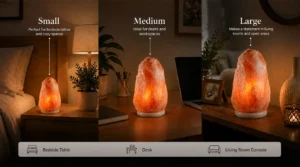
Lamp size changes how a room feels and how far the glow reaches. A practical guide to matching size to space.
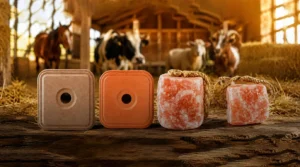
Both supplement minerals, but they suit different animals and different needs. A side-by-side look to help you choose correctly.
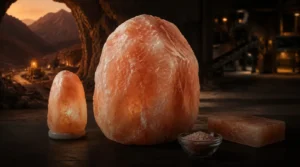
From sourcing to packaging, Demaro controls each step, plus private-label and sample options for buyers.
Why Demaro Salt
Tell us what you need. Our team replies within 24 hours.