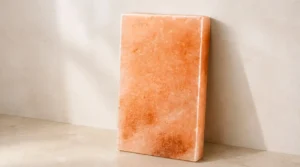
Himalayan salt licks for livestock are natural rock salt products used to provide animals with access to salt, mainly sodium and chloride. They are available in different shapes, sizes, and weights for animals such as cattle, horses, sheep, and goats.
For farm supply stores, agricultural retailers, and distributors, choosing the right products means considering animal requirements, product quality, block size, durability, packaging, and wholesale supply needs.
Understanding these factors can help businesses select suitable products and build a reliable livestock salt lick range.
Start with the Animals Your Customers Serve
Before purchasing salt licks in bulk, understand which animals your customers keep. Different livestock have different feeding requirements, and the right product depends on the animal species and its existing diet.
Common applications include:
- Cattle: Larger salt licks are often suitable for dairy and beef cattle farms, where several animals may have access to the same block.
- Horses: Smaller rope-hung salt licks are popular for stables, horse yards, and paddocks.
- Sheep: Natural salt blocks provide access to salt, but consider their mineral requirements separately.
- Goats: Choose products according to the animals’ feeding arrangements and nutritional requirements.
- Other livestock: Camels, deer, and other farm animals may also use suitable salt lick products, depending on their dietary needs.
A product suitable for one animal may not suit another. For example, sheep are particularly sensitive to excessive copper intake, so cattle mineral blocks containing added copper should not automatically be offered to sheep.
Farmers should select species-appropriate supplements based on professional nutritional guidance.
Himalayan Salt Licks vs Mineral Blocks: What’s the Difference?
One important buying consideration is understanding Himalayan salt licks vs mineral blocks. Although both products are used in livestock feeding environments, their composition and intended purpose can differ.
Natural Himalayan Salt Licks
Natural Himalayan salt licks are cut from solid rock salt. Their main component is sodium chloride, with naturally occurring mineral variations depending on the source.
They are commonly supplied in natural shapes, rectangular blocks, and rope-fitted formats. Their main purpose is to provide animals with access to salt.
Mineral Blocks
Mineral blocks may contain added minerals, trace elements, and sometimes vitamins, depending on their formulation. They are designed to provide specific nutrients in addition to salt.
However, not every mineral block has the same composition. Buyers should check the ingredient list, mineral analysis, and intended animal species before purchasing.
For farm supply stores, stocking both categories can be useful. Natural salt licks serve customers looking for straightforward salt supplementation, while formulated mineral products serve customers with specific nutritional requirements.
Natural Himalayan salt licks are not a replacement for a balanced livestock mineral supplement. Mineral needs depend on the animal, feed, forage, and local conditions. [2]
Choose the Right Salt Lick Size and Format
Salt lick size affects product price, handling, placement, and expected consumption. Wholesale buyers should consider different weights rather than purchasing only one size.
Common product sizes include:
- Small blocks (0.7–1.2 kg): Suitable for smaller retail products and individual animal use.
- Medium blocks (1.5–3 kg): A practical option for horse owners, smaller farms, and general farm supply stores.
- Large blocks (3–7 kg): Suitable for larger animals and farm operations with higher usage.
- Compressed and mineral blocks (5–10 kg): Alternative formats for customers looking for uniform blocks or formulated mineral products.
The product format also matters.
Rope-Fitted Salt Licks: Convenient for hanging in stables, barns, and suitable feeding areas. They keep the block above the ground and make placement easier.
Natural Rock Salt Blocks: These retain their natural shape and appearance. They are available in different sizes and can be used with suitable holders or feeding arrangements.
Compressed Blocks: These offer more uniform shapes and dimensions, making them practical for certain wholesale and retail product ranges.
At Demaro Salt, our livestock salt lick range includes natural blocks from approximately 0.7–1.2 kg to 5–7 kg, along with compressed and mineral block options. Buyers can choose products that fit their market and order requirements.
What Determines the Lifespan of a Himalayan Salt Lick?
Several factors determine the lifespan of a Himalayan salt lick. No single usage period applies to every farm or animal.
The most important factors include:
Block Size: A larger block generally contains more salt and may last longer than a smaller one under similar conditions.
Number of Animals: A block shared by several animals will usually be consumed faster than one used by a single animal.
Consumption Rate: Animal species, feeding habits, existing diets, and individual salt intake all affect how quickly a block wears down.
Weather Conditions: Rain, humidity, and direct water exposure can gradually dissolve natural salt. Covered placement can help reduce weather-related loss.
Product Structure: Solid natural rock salt and compressed products may wear differently depending on their density, formulation, and manufacturing method.
For distributors, understanding the lifespan of a Himalayan salt lick helps when advising customers on product size and repeat purchases.
Rather than promising a fixed number of weeks or months, suppliers should provide practical product guidance based on block weight, usage conditions, and available testing or customer experience.
Check Product Quality Before Buying in Bulk
Product quality directly affects customer satisfaction and repeat orders. Before placing a wholesale order, consider the following checks:
- Salt Quality: Ask for information about salt origin, composition, and relevant product specifications.
- Physical Condition: Check for major cracks, unwanted foreign material, and excessive breakage.
- Size and Weight: Confirm product dimensions and weight tolerances for each variation.
- Composition: Request mineral analysis or other relevant testing documents, especially for formulated mineral blocks.
- Product Consistency: Check whether the supplier can maintain agreed specifications across different production batches.
- Packaging: Confirm that blocks are properly protected against breakage and moisture exposure during transportation.
For larger orders, requesting product samples before approving bulk production is a useful way to assess quality.
Packaging, Storage, and Wholesale Supply Considerations
Packaging and storage are important for farm supply stores and distributors handling large quantities of salt licks.
Salt products can absorb moisture and gradually dissolve when exposed to water. Therefore, store them in a dry, covered environment, away from damp floors, leaking roofs, and water sources.
For wholesale and export orders, consider these packaging requirements:
- Individual wrapping or suitable protective covers for each block.
- Strong cartons or appropriate bulk packaging.
- Clear product weights, identification, and batch information.
- Protective pallet arrangements for larger shipments.
- Suitable moisture protection during storage and transportation.
Buyers should also discuss minimum order quantities, production capacity, delivery schedules, export documentation, and customized packaging options.
At Demaro Salt, we manufacture and export Himalayan salt licks in different weights and formats. We support wholesalers, farm supply stores, and distributors with bulk supply and customized packaging requirements.
When building a long-term livestock product range, choose a supplier that can maintain consistent product specifications and reliable delivery schedules.
Frequently Asked Questions
1. How long does a Himalayan salt lick last?
It depends on the block’s weight, the number of animals using it, consumption rate, and weather conditions. Larger blocks may last longer, while rain exposure can increase salt loss. Inspect blocks regularly and replace them when necessary.
2. Are Himalayan salt licks suitable for all livestock?
Natural salt licks can be used for several livestock species, including cattle, horses, sheep, and goats. However, mineral requirements differ by species. Always choose products based on the intended animal and its nutritional program.
3. Can Himalayan salt licks be left outside in the rain?
Natural rock salt blocks are dense, but salt is water-soluble. Continuous rain and moisture can gradually dissolve them. Keeping licks in a covered area or suitable holder can help reduce unnecessary product loss.
4. What should distributors ask a manufacturer before placing a bulk order?
Distributors should confirm available sizes, product composition, quality specifications, minimum order quantities, packaging options, sample availability, production lead times, and export arrangements. For mineral blocks, request the full formulation and relevant nutritional documentation.
Final Thoughts
Choosing the right Himalayan salt licks involves more than comparing product weights and prices. Farm supply stores and distributors should consider animal requirements, product composition, block durability, packaging, and supplier reliability.
Working with an experienced manufacturer and maintaining a suitable product range can help distributors serve different livestock markets and build long-term wholesale business relationships.