Himalayan salt crockery is made from natural Himalayan pink salt and shaped into kitchenware and serving pieces such as salad bowls, mortar and pestle sets, and serving plates. These products combine the natural appearance of pink salt with practical uses in kitchens, restaurants, hotels, and dining settings.
For wholesale buyers, choosing the right salt crockery involves more than selecting attractive designs. Product quality, size consistency, protective packaging, and proper storage all matter when purchasing in bulk or importing products for retail.
Here are the important things to consider before placing a wholesale order.
What Makes Himalayan Salt ockery Distinctive?
Himalayan salt crockery products stand out because they are carved from solid natural rock salt rather than conventional materials such as ceramic, glass, or wood. Each piece has its own natural color, patterns, and crystal appearance.
Kitchenware retailers, home décor stores, restaurants, hotels, gift shops, and specialty food retailers often buy these products.
Common Types of Himalayan Salt Crockery
Depending on the manufacturer’s product range, wholesale buyers can consider several types:
1. Himalayan Salt Salad Bowls
Salt salad bowls are designed for serving salads, fruits, snacks, dips, and other suitable foods. Their natural pink color makes them an attractive addition to dining tables and restaurant presentations.
2. Himalayan Salt Mortar and Pestle Sets
These sets crush and grind herbs, spices, and other dry ingredients. They are popular with kitchenware retailers and customers interested in distinctive kitchen tools.
3. Himalayan Salt Serving Plates
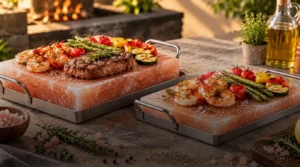
Serving plates offer an alternative way to present snacks, appetizers, desserts, and other suitable foods. Consider different sizes and thicknesses based on intended use.
4. Other Salt Crockery Items
Some salt manufacturers also offer salt shot glasses, small jars, caddies, and decorative serving pieces. These products can help wholesalers build a wider culinary collection, depending on supplier availability.
When selecting products, consider your target customers, price range, and the items most likely to sell in your market.
How to Check the Quality of Himalayan Salt Crockery
Quality is one of the most important considerations when buying Himalayan salt crockery in bulk. Natural rock salt has variations in color and texture, but the finished product should still meet agreed quality standards.
Here are some important checks:
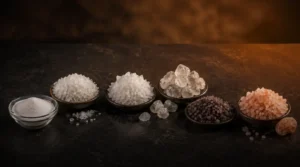
Natural Color and Appearance: Himalayan pink salt can have different shades, from light pink to deeper reddish tones. Buyers should agree on an acceptable color range before production.
Shape and Dimensions: Check the product’s length, width, height, diameter, and weight. Consistent dimensions help retailers keep product listings and packaging sizes accurate.
Surface Finishing: Examine the edges, outer surface, and inside of bowls or mortar sets. The finish should be neat, with no major rough areas or unwanted marks.
Cracks and Chips: Inspect products for visible cracks, broken edges, and other damage. Small natural differences are expected, but reject structural defects according to agreed inspection standards.
Food Contact Suitability: For products intended to serve or prepare food, ask the manufacturer about material suitability, hygienic processing, and relevant food-contact documentation. Buyers should also check destination-market requirements.
These checks can help reduce quality complaints and make bulk purchasing more predictable.
Packaging Requirements for Wholesale and Export Orders
Himalayan salt crockery needs protective packaging because solid salt products can chip or break if they hit hard surfaces during handling and transportation.
Packaging should protect each piece while also making storage, handling, and retail presentation easier.
Consider the following options:
- Individual Protection: Wrap each bowl, pestle, or serving plate separately using suitable protective material.
- Protective Inserts: Use foam, molded inserts, or suitable cushioning to prevent movement inside the box.
- Strong Cartons: Select durable cartons that can handle stacking and transportation.
- Moisture Protection: Make sure products are completely dry before packing. Suitable inner packaging can help limit humidity exposure during storage and shipping.
- Retail Packaging: Printed boxes, product labels, and branded packaging can improve presentation for retailers and private-label businesses.
For larger export orders, buyers should also confirm carton quantities, packing dimensions, gross weight, and pallet requirements before shipment.
Requesting a sample of the final packaging is a practical way to check product protection before approving bulk production.
Himalayan Salt Storage and Moisture Prevention
Proper Himalayan salt storage and moisture prevention matter because natural salt absorbs moisture and can gradually dissolve when exposed to water.
Poor storage conditions can cause surface dampness, changes in appearance, and gradual material loss.
For wholesale buyers, distributors, and retailers, these simple practices can help protect inventory:
1. Keep Products in a Dry Environment
Store salt crockery in a cool, dry area. Avoid locations near sinks, water sources, damp walls, or steam.
2. Avoid Direct Water Contact
Do not leave salt products in standing water or expose them to unnecessary moisture. Prolonged water contact can gradually damage their surfaces.
3. Use Suitable Protective Packaging
Keep products in their original protective packaging until you need them for display or sale. Make sure the pieces are completely dry before packing them.
4. Keep Cartons Off the Floor
Use shelves or pallets rather than placing cartons directly on floors. This helps protect inventory from dampness and accidental water exposure.
5. Follow Proper Cleaning Instructions
Salt crockery generally requires minimal moisture when cleaning. Use a slightly damp cloth when appropriate, then dry thoroughly. Avoid soaking products or putting them in dishwashers.
Good storage practices help wholesalers maintain product appearance and reduce unnecessary damage during inventory handling.
What Wholesale Buyers Should Include in a Product Catalog
A clear Himalayan salt product catalog makes product selection and ordering easier for distributors, retailers, and importers.
Before finalizing an order, ask the supplier for a catalog with useful product information, including:
- Product names, photographs, and reference numbers.
- Available shapes, sizes, dimensions, and weights.
- Natural color variations and finishing options.
- Minimum order quantities and bulk pricing.
- Individual and master carton packaging details.
- Available private-label and custom packaging options.
- Sample availability and export documentation.
At Demaro Salt, we manufacture and export Himalayan salt products, including handcrafted salt salad bowls and mortar-and-pestle sets. We support wholesale buyers with bulk supply, product samples, and customized packaging options.
Our team can also discuss product specifications and packaging requirements to help buyers plan orders for their target markets.
Frequently Asked Questions
1. Does Himalayan salt crockery come in different colors?
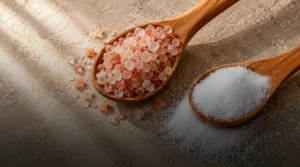
Yes. Natural Himalayan salt comes in different shades, including light pink, deep pink, reddish, and orange tones. The exact appearance varies depending on the natural salt crystal.
2. Can Himalayan salt crockery be used for everyday food serving?
Suitable salt crockery can be used for food presentation and serving, provided it is properly manufactured and intended for that purpose. However, prolonged contact with wet foods can gradually affect the salt surface.
3. How should retailers store Himalayan salt crockery?
Retailers should store products in a cool, dry place, away from water, steam, and excessive humidity. Suitable protective packaging and storing cartons on shelves or pallets can also help.
4. What should importers ask before placing a wholesale order?
Importers should confirm product specifications, available sizes, quality standards, minimum order quantities, sample availability, carton quantities, packaging details, lead times, and relevant export and food-contact documentation.
Final Thoughts
Himalayan salt crockery offers wholesalers and retailers an opportunity to add distinctive natural kitchenware to their product collections. However, product quality, careful packaging, and proper storage are essential for successful bulk purchasing.
Choosing an experienced manufacturer and agreeing on clear product specifications before ordering can help businesses build a reliable salt crockery range for their markets.