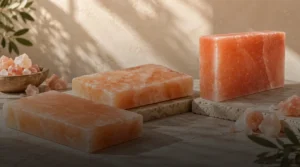
Cooking on a Himalayan salt block is safe and healthy when you do it the right way, though it won’t magically make your food healthier. You’ll need to take care as per its manufacturer’s instructions. It adds a nice salty flavor and makes your cooking fun, while also increasing the sodium in your meal.
Let’s look at the real health facts, cooking incentives, and simple things to know before using a Himalayan salt block for your cooking.
Is Cooking on a Himalayan Salt Block Actually Healthy?
Himalayan salt blocks are actually cut slabs of natural rock salt. These are mostly sodium chloride, with tiny traces of calcium, potassium, magnesium, and iron.
When you cook on a hot block of Himalayan salt, a bit of rock salt transfers to your food. This process gives a light salty taste to your meat, seafood, and veggies. However, these trace minerals are too much small to offer any real health boost.
So, what about the health benefits of cooking on a Himalayan salt block? Well, the sodium content in the salt block matters much more. The World Health Organization (WHO) recommends that adults eat (intake) less than 5 grams of salt a day from all foods they eat or drink.
But, if you or the salt block user has high blood pressure, kidney issues, or needs to limit sodium, never forget to ask your doctor before making this a regular habit.
The next important thing to remember: Himalayan salt is not usually iodized. So, if you rely on iodized salt for iodine content, we suggest that you don’t replace the iodized salt completely without getting iodine from other foods.
What Are the Real Benefits of a Himalayan Salt Block?
Even though a Himalayan salt block is not a health miracle, like apples do sometimes, a salt block has great practical and moderate benefits or incentives for home cooking. Let’s explore a few very common and easy-to-get options.
Natural seasoning: ٖFood absorbs salt directly from the salt block. This way, the salt block naturally seasons your steak, shrimp, fish, and veggies with salt as they cook. Just keep in mind that the exact amount of salt can vary.
Heat retention: A thick salt block stays hot for a long time, especially during cold days. This is ideal for quickly cooking thin meat slices, seafood, and veggies. Also a great way to keep your food warm while you serve it.
Different cooking experience: This way makes your indoor cooking, serving, and outdoor grilling more fun. It is especially ideal and great for cooking small bites right on the stone. Yes, that’s a rock-solid salt block.
Serving cold food: You don’t always have to heat your salt block for serving food. When chilled in the fridge, it works great as a cold serving plate. You may serve cheese, fruit, sushi, or other snacks on it.
If you really like serving your food on these natural salt blocks, you may check out our Himalayan salt crockery too. And read out our guide to wholesale salt crockery to see more options, in nature’s touches.
Himalayan Salt Block for Cooking: What Should You Know Before Using It?
The preparation for cooking or serving your food on a Himalayan salt block is just simple, easier, and more fun. Let’s get started.
Choose the right salt block: Remember, not all Himalayan salt slabs can handle heat. So, always buy a food-grade cooking salt block. Its size matters; i.e. , its size and thickness affect how well it holds heat and how easy it is to carry. Check out our guide to salt block sizing and quality to see what to look for while buying and using a salt block for cooking and serving food.
Heat it slowly: We suggest that you never put your cold salt block on high heat right away. Just like our body doesn’t stay well when quickly shifting to/from hot & cold. So, start with low heat and turn it up slowly, following the instructions. Sudden heat changes will ultimately crack your salt block. Also, make sure the salt block is completely dry before heating. That’s important.
Pick the right foods: In our studies and practice, we found that any thin meat, shrimp, fish, and veggies work best because they cook evenly. Do not put too much food on the block at once. If you do, it will not cook properly.
Keep food safe: Your Himalayan pink salt block does not kill the germs on its surface on its own. So, always be careful while cooking, i.e., cook meat and seafood all the way through before eating.
Clean it gently: Let your salt block cool down completely first. Then, scrape off leftover food and wipe it with a slightly wet cloth or sponge. Do not use a soggy cloth. And never soak it in water or put it in your dishwasher. Let it dry fully before you store it in a cool, dry place.
How long will it last? Well, it depends on its thickness, how often you use it, how slowly you heat it, and how dry you keep it. Small surface cracks are normal in Himalayan salt blocks, but sudden heat changes can break your block, especially from those small surface cracks. We have provided a comprehensive guide on the lifespan of a Himalayan salt block to learn more and enjoy your cooking & serving food more moderately.
A final buying tip: The best salt block is not always the biggest or most expensive one, as in some products it does. So, look at the size, thickness, smooth finish, and how you plan to use it. The Himalayan salt block price always depends on these factors.
Avoid animal salt licks: Take this as a strong advice from a health perspective that avoid mixing up these cooking salt blocks with animal salt licks. Because salt licks are especially made for livestock, not for heating or human food.
A tip from Demaro Salt: Save your time, money, and ultimately your health by following the manufacturer’s guide that comes with your specific salt block. And never guess the time and heat because every size cooks differently. We always pack our salt blocks with our own instruction manual.
What Can You Cook on a Himalayan Salt Block? 3 Easy Ideas
Thin meat, seafood, and veggies cook best on these Himalayan salt blocks. Here are three easy & simple, but fun-ful ideas to try:
Garlic Shrimp: Mix peeled shrimp with olive oil, garlic, and black pepper. Cook quickly on both sides on the hot salt block. Avoid adding any additional salt to your food.
Grilled Vegetables: Cut veggies like bell peppers and zucchini into thin slices. Mix with a little oil and black pepper. Now cook on the hot salt block until it becomes soft.
Salt-Block Steak: Rub thin steak slices with olive oil and black pepper. Sear both sides on the hot salt block and use a thermometer to ensure it is cooked through.
A quick tip: Make it your practice of every use of a salt block to cook your large meal in small batches without crowding your salt block. And taste before adding salt.
Disclaimer: This is general cooking info, not medical advice. Consult a doctor before regular use if you are on a low-salt diet or have health issues.
More Things to Know About Cooking on a Salt Block
How does a salt block compare to regular pans for health and taste?
Both tools are for cooking, but work differently. Your regular pans do not add anything to your food, whereas the Himalayan salt block adds a light, yummy taste to your food, so you need to take good care of it while you cook on it, or even you serve food on it. Its minerals are too tiny to make a big difference in your health, it is still a great way to cook with almost no oil and get a really tasty,crispy meal!
How often can I use it if I’m watching my salt intake?
If you are watching your sodium intake, use your salt block as a fun weekend treat. Maybe once or twice a week. The World Health Organization (WHO) suggests consuming less than 2,000 mg of sodium a day (about 5 grams of salt). Since you can’t measure the exact amount of salt your food absorbs from the salt block, so just skip adding extra table salt to your meal.
Are there any foods I should never cook on a salt block?
There are some foods, such as cooking wet or acidic foods like tomatoes, lemons, or vinegar-heavy marinades. Too much liquid and acid will melt the salt block fast and make your food salty. So, stick to firm, dry foods like steaks, shrimp, and sliced veggies.
How do I know if a salt block is truly food-grade?
Food-grade means safe & good for health. So, a safe and good salt block should be 100% natural Himalayan pink salt block. Any glue or fake colors should not be on your salt block. When you touch it, it should feel smooth, not bumpy. To be on the safe side, always check the box or packaging for a “food-grade” label. And buy from a trusted kitchen supplies store, at least not from craft or pet shops.
Are there any allergy or germ risks?
Salt itself does not cause allergies. The natural characteristic of salt helps stop germs from growing. Since you can’t wash your cooking salt block with soap, so tiny food pieces, such as fish or shrimp, can get stuck in it. This can make people with bad food allergies very sick. Therefore, always scrape your salt block clean after you cook, or use a different salt block for cooking or serving food that needs to be allergy-safe!
What if food sticks or burns onto the salt block?
ٖFirst, wait until your salt block is all the way cool before you touch it. Then, gently scrape off your burnt food bits. Here, always use a plastic spatula or a soft brush. Wipe it with a slightly wet cloth or sponge and dry it right away. Never put it in a sink full of water or any liquid, and never use a scratchy metal brush!
How do I know when my salt block is no longer safe to use?
Do not worry if your cooking salt block shows little lines on the top, because that’s normal. You must stop cooking on it or even stop heating it, if you see deep cracks or big chunks breaking off. Even if you see it gets thinner than one (1) inch. Heating a badly cracked or super thin salt block can make it snap or break on the stove.
Can I use oil or marinades on the salt block, and if so, how much?
You can use, and people do use, but it needs additional care . Because, it’s salt, and salt does not like wet stuff. So, too much oil or wet sauce makes a big mess and hurts the block. Do not pour oil on the block. Rub one small spoon of oil right on your food first. Wipe off extra sauce with a piece of paper towel. Keep it light and your food will taste yummy.
How much extra sodium does cooking on a salt block add to my food?
Not too much, or it does not even feel very salty. But it does add a little bit. It is just like using a salt shaker. When the block gets hot, it stays tight and only gives a little salt to the food on it. Fast food like veggies gets less salty. Wet food gets saltier. Do not add additional salt before cooking. Taste your food first when it is all done on a salt block!
Is there a risk of cross-contamination for people with food allergies?
Yes, there is really a big and considerable risk. Be highly careful. A salt block has tiny holes you can not see. You cannot wash it with soap and water,, too. Tiny bits of old food hide in those holes or cracks. If you cook shrimp today, small bits stay there. Tomorrow, or the next day, those bits can touch new food and make a friend with allergies very sick. Give them their own salt back, from your cooking on your salt block.
Frequently Asked Questions
Can I use my salt block on an electric stove?
Yes, if the manufacturer’s guide allows it.. Just heat your salt block slowly & gently.
Can I put it in the freezer?
Yes. Chill a completely dry cooking salt block to serve your cold food.
Does it change my food color to pink?
No, it will not turn your food pink! The salt block is naturally pink on its own and has no fake colors added, so your food will stay its normal color.
Can I use cooking oil on it?
The first and most important place to see the answer, is the packaging label or the paper that came with your salt block first. Some blocks let you put a tiny bit of oil on your food, while others say not to use any oil on the salt block at all, so make sure what the packaging says.
Can I use a cracked salt block?
Small surface cracks are normal, but never heat a deeply cracked or broken block. That may cause a more severe problem.
Conclusion
A Himalayan salt block is a fun way to cook, flavor, and serve food. So, just heat it slowly & gently, and watch your salt intake.