Do Himalayan Salt Lamps Produce Too Much Heat?
Himalayan salt lamps naturally become warm when they are switched on, leading many people to wonder whether that warmth could become excessive or create a safety risk. The good news is that a properly functioning Himalayan salt lamp produces only a gentle amount of heat, similar to a small nightlight. Under normal conditions and when used with the correct bulb, it is not designed to become dangerously hot.
In this guide, we’ll explain why Himalayan salt lamps generate heat, what affects their temperature, and how to use them safely.
Why Do Himalayan Salt Lamps Become Warm?
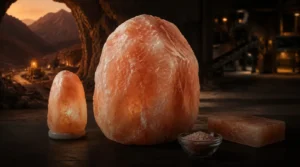
A Himalayan salt lamp consists of a natural salt crystal with a small light bulb installed inside it. When the bulb is turned on, it produces a gentle amount of heat while illuminating the salt crystal.
This warmth serves two important purposes:
- It creates the soft amber glow that Himalayan salt lamps are known for.
- It helps keep the salt crystal dry, especially in humid environments where natural salt tends to absorb moisture from the air.
Because the bulbs used in salt lamps are typically low wattage, the outer surface becomes pleasantly warm rather than excessively hot.
What Affects the Heat of a Salt Lamp?
Several factors influence how warm a Himalayan salt lamp becomes.
Lamp Size
Larger salt lamps generally require slightly higher-wattage bulbs than smaller lamps. As a result, they may feel warmer, but they should never become excessively hot when the recommended bulb is used.
Bulb Wattage
The wattage of the bulb has the greatest impact on heat production.
Typical recommendations include:
- 7-watt bulbs for smaller salt lamps
- 15-watt bulbs for medium and larger lamps
Using a bulb with a higher wattage than recommended can generate unnecessary heat and should be avoided.
Bulb Type
Traditional incandescent bulbs produce enough warmth to keep the salt crystal dry.
LED bulbs, while highly energy-efficient, generate very little heat. In humid climates, they may not provide enough warmth to prevent the salt from absorbing moisture, which can cause the lamp to “sweat.”
Room Temperature and Humidity
Environmental conditions also affect how warm the lamp feels.
In warmer rooms, the lamp may naturally feel slightly warmer. In humid areas, the salt crystal may absorb more moisture, making continuous operation beneficial for keeping it dry.
Are Himalayan Salt Lamps Safe?
Yes. Himalayan salt lamps are generally considered safe when they are manufactured with quality electrical components and used according to the manufacturer’s recommendations.
Like any electrical product, safety depends on proper use rather than the product itself.
A properly functioning salt lamp should feel warm to the touch but should never become dangerously hot.
If a lamp becomes unusually hot, emits a burning smell, or shows signs of damaged wiring, discontinue use immediately and inspect or replace the electrical components.
Safety Tips for Using a Himalayan Salt Lamp
Following a few simple precautions will help ensure safe and long-lasting use.
Use the Correct Bulb
Always install the bulb size recommended by the manufacturer. Avoid using higher-wattage bulbs in an attempt to increase brightness or heat.
Place the Lamp on a Stable Surface
Position the lamp on a flat, heat-resistant surface where it cannot easily fall or be knocked over.
Keep It Away from Water
Because Himalayan salt naturally absorbs moisture, avoid placing the lamp near sinks, bathtubs, or other wet areas unless it is specifically designed for those environments.
Ensure Proper Ventilation
Do not cover the lamp with fabric or other materials. Allow air to circulate freely around it.
Inspect Electrical Components Regularly
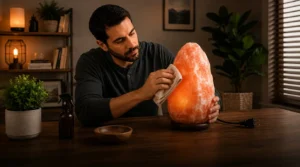
Periodically check the cord, plug, bulb, and socket for any signs of wear or damage. Replace faulty components promptly.
Choosing a Quality Himalayan Salt Lamp
The overall safety of a salt lamp also depends on its manufacturing quality.
When purchasing from a reputable manufacturer, look for:
- High-quality natural Himalayan salt
- Properly fitted electrical components
- Correct bulb recommendations
- Durable wooden base
- Quality inspection before shipment
As an ISO-certified Himalayan salt lamp manufacturer, we prioritize product quality, electrical safety, and reliable craftsmanship to ensure every lamp meets international quality standards.
Whether you’re a retailer, wholesaler, importer, or private label brand, choosing a trusted manufacturer helps provide customers with safe, dependable products.
Frequently Asked Questions
Do Himalayan Salt Lamps Get Too Hot?
No. A properly functioning Himalayan salt lamp should become gently warm but not excessively hot. The warmth is comparable to that of a small nightlight.
Can a Salt Lamp Overheat?
Under normal conditions, no. Overheating is uncommon and is usually associated with using an incorrect bulb or damaged electrical components.
Should a Himalayan Salt Lamp Feel Warm?
Yes. A slight warmth indicates that the bulb is operating normally and helping keep the salt crystal dry.
Can Salt Lamp Heat Damage Furniture?
Generally, no. However, because salt lamps can absorb moisture in humid environments, placing a protective coaster, tray, or mat beneath the lamp is recommended to protect wooden furniture from moisture.
Is It Safe to Leave a Salt Lamp on Overnight?
Many people leave their salt lamps on for extended periods. As with any electrical appliance, ensure the lamp uses quality electrical components, the correct bulb, and is placed on a stable surface away from flammable materials.
Conclusion
A Himalayan salt lamp naturally produces a gentle amount of warmth, but it should not become excessively hot when used with the correct bulb and quality electrical components. By following basic safety practices and the manufacturer’s recommendations, you can enjoy its warm glow with confidence.
If you’re looking for premium Himalayan salt lamps for wholesale, private labeling, or international distribution, feel free to contact us. We supply high-quality, factory-direct Himalayan salt lamps to businesses worldwide.