Bring a natural touch to every meal.
Cooking on Himalayan Salt Blocks
Himalayan salt blocks are perfect for grilling or searing meat, fish, and vegetables. Simply preheat the block and cook directly on its surface—the salt gently seasons your food while locking in moisture.
Tips:
- Preheat slowly to avoid cracks.
- Start with thin cuts of meat or vegetables for even cooking.
- Use tongs or spatulas to turn food carefully.
The result is a subtly salty, mineral-rich flavour that enhances your dish naturally—without extra seasoning.
Seasoning and Finishing Touches
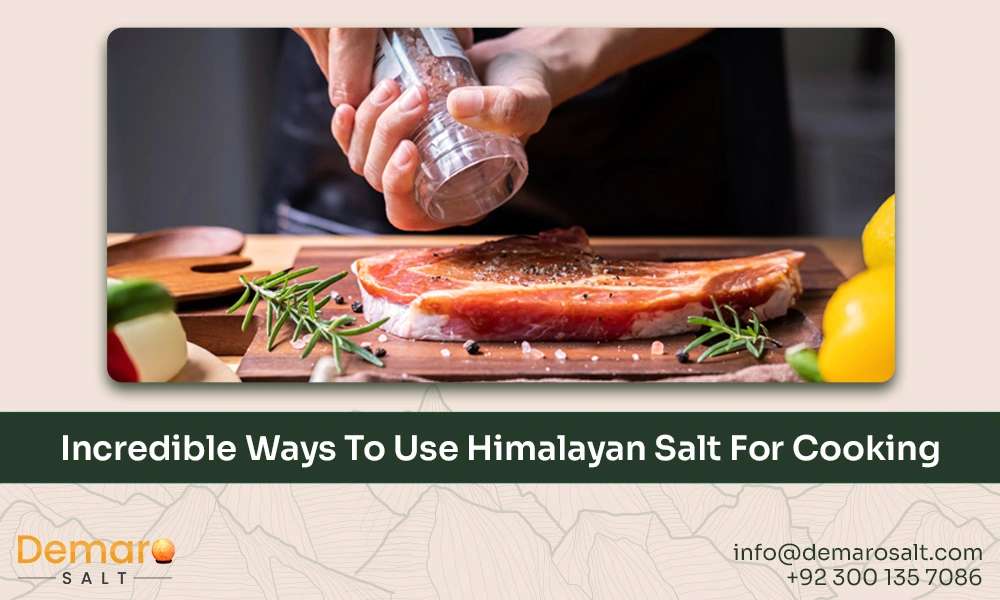
Himalayan salt works beautifully as a finishing salt. Coarse crystals add crunch and bursts of flavour when sprinkled over salads, roasted veggies, or baked goods just before serving.
Try this:
- Finish avocado toast or roasted tomatoes with a pinch of pink salt.
- Sprinkle over homemade chocolate or caramel desserts for a surprising contrast.
The texture and taste elevate both the flavour and presentation of everyday meals.
Salt Bowls and Plates for Serving
Himalayan salt bowls, plates, or serving blocks make your dishes visually stunning while imparting a subtle salty taste. Serve cheeses, fruits, or seafood in salt bowls for a gourmet touch.
Benefits:
- Adds a natural mineral flavour.
- Works as an elegant presentation piece.
- Easy to clean—just wipe with a damp cloth.
It’s an effortless way to impress guests and make your meals feel special.
Salt Crust Cooking
Salt-crusted cooking is an age-old technique for baking meats and fish. Encase your protein in a thick layer of Himalayan salt to seal in juices and flavour. When baked, the salt forms a hard crust that locks in moisture and creates tender, perfectly seasoned dishes.
How to do it at home:
- Mix coarse salt with egg whites or water to create a paste.
- Cover meat or fish completely.
- Bake according to your recipe, then crack open the crust to reveal a juicy, flavourful dish.
This method transforms ordinary meals into a culinary masterpiece.
Infused Himalayan Salt for Unique Flavors
Create your own infused salts by adding herbs, spices, or smoked Flavors to coarse Himalayan salt. This is perfect for adding a personal touch to your cooking.
Ideas:
- Rosemary and garlic salt for roasted vegetables.
- Smoked paprika salt for grilled meats.
- Lemon zest salt for seafood or salads.
Store infused salts in airtight jars and use them to finish dishes or season while cooking.
Everyday Tips for Using Himalayan Salt
- Storage: Keep in a dry, cool place to prevent clumping.
- Use sparingly: Himalayan salt is more flavourful than table salt, so a little goes a long way.
- Experiment: Try different grain sizes—fine, coarse, or block—to suit your cooking method.
These simple practices ensure you get the most out of this natural ingredient while enhancing both flavour and presentation.
FAQs:
What is Himalayan salt, and why is it different from regular salt?
Himalayan pink salt is mined from the Himalayan mountains and contains over 80 trace minerals, giving it its natural pink color and richer taste. It’s less processed than table salt, making it ideal for natural cooking and presentation.
Can I cook directly on a Himalayan salt block?
Yes! Preheat the block slowly and use it to grill meat, fish, or vegetables. The salt imparts a natural flavor while sealing in moisture, creating juicy and flavorful dishes.
How do I clean Himalayan salt blocks or bowls after use?
Wipe gently with a damp cloth. Avoid soaking in water, as the salt can dissolve. For stubborn residues, use a soft brush and dry thoroughly before storing.
Is it safe to eat salt crust-cooked meals?
Absolutely. The salt crust is used to seal moisture and flavor into meat or fish, and the outer crust is cracked and removed before eating. Only a subtle mineral flavor remains in the food.
Can I make infused Himalayan salts at home?
Yes! Combine coarse salt with herbs, spices, or zest to create custom flavors. Store in airtight containers and sprinkle on dishes as needed.
How should I store Himalayan salt for cooking?
Keep it in a cool, dry place, away from moisture. Fine, coarse, or block forms should all be stored separately to maintain texture and flavor.
Does Himalayan salt have health benefits?
While it contains trace minerals like calcium, potassium, and magnesium, Himalayan salt should be used in moderation. Its main advantage in cooking is flavor enhancement and culinary versatility rather than medicinal use.
Himalayan Salt: Cooking Tips & Tricks
| Method | Best For | How to Use | Benefits | Tips |
| Salt Block Cooking | Meat, fish, vegetables | Preheat block, cook directly | Natural seasoning, locks in moisture | Heat slowly, turn food carefully |
| Finishing Salt | Salads, roasted veggies, desserts | Sprinkle just before serving | Adds flavor & crunch | Use coarse crystals for texture |
| Salt Bowls/Plates | Cheese, fruits, seafood | Serve directly in bowls/plates | Adds subtle mineral flavor, elegant presentation | Wipe clean after use |
| Salt Crust Cooking | Meats, whole fish | Cover protein in salt paste, bake | Seals in juices, perfectly seasoned | Crack crust before serving |
| Infused Himalayan Salt | Any dish | Mix coarse salt with herbs/spices | Personalized flavor, versatile | Store airtight, experiment with herbs & zest |
| Everyday Use Tips | All cooking | Adjust grain size for method | Enhances flavor naturally | Use sparingly, store dry |
Conclusion
Himalayan salt is more than just a pretty pink crystal. Whether you’re cooking, finishing, or serving, it adds a natural, mineral-rich flavour to every meal. Experiment with salt blocks, bowls, crusts, or infused salts to elevate your dishes effortlessly.
Bring Himalayan salt into your kitchen and enjoy meals that are flavourful, visually stunning, and naturally enhanced.