How to Import Himalayan Pink Salt from Pakistan
Overview
This guide explains how to import Himalayan Pink Salt from Pakistan in a clear, business-focused way. It covers sourcing, supplier evaluation, certifications, packaging, shipping, and profitability—helping importers, wholesalers, Amazon sellers, and online brands make confident, informed decisions.
What You’ll Learn in This Article
- Why Pakistan is the only authentic source of Himalayan Pink Salt
- How to evaluate reliable exporters using a supplier checklist
- Required certifications, packaging options, and shipping basics
- Realistic cost and margin expectations for wholesale and private label
- A practical roadmap to scale from bulk imports to branded products
If you’re considering Himalayan Pink Salt, you’re not simply adding another product—you’re entering a category with stable global demand, wide applications, and long-term growth potential. From food and wellness to décor and hospitality, this product continues to perform across markets.
However, success doesn’t come from buying salt alone. It comes from understanding where it comes from, how to source it correctly, and how to build a supply chain that supports growth. That’s exactly what this article is designed to help you do.
Why Pakistan Is the Global Source of Himalayan Pink Salt
Himalayan Pink Salt is mined exclusively from the ancient salt ranges of Punjab, Pakistan. These deposits are millions of years old and are the only verified source of true Himalayan Pink Salt available worldwide.
This matters for importers and brands because authenticity, traceability, and origin transparency are now critical factors in global trade and online marketplaces.
Step 1 – Decide What Type of Himalayan Pink Salt You Want to Import
Before reaching out to suppliers, the first decision you must make is what type of product you want to sell. Himalayan Pink Salt is not a single product—it’s an entire product category with different requirements and business models.
Your product choice will determine certifications, packaging, shipping costs, and even your target customers.
Common Import Categories
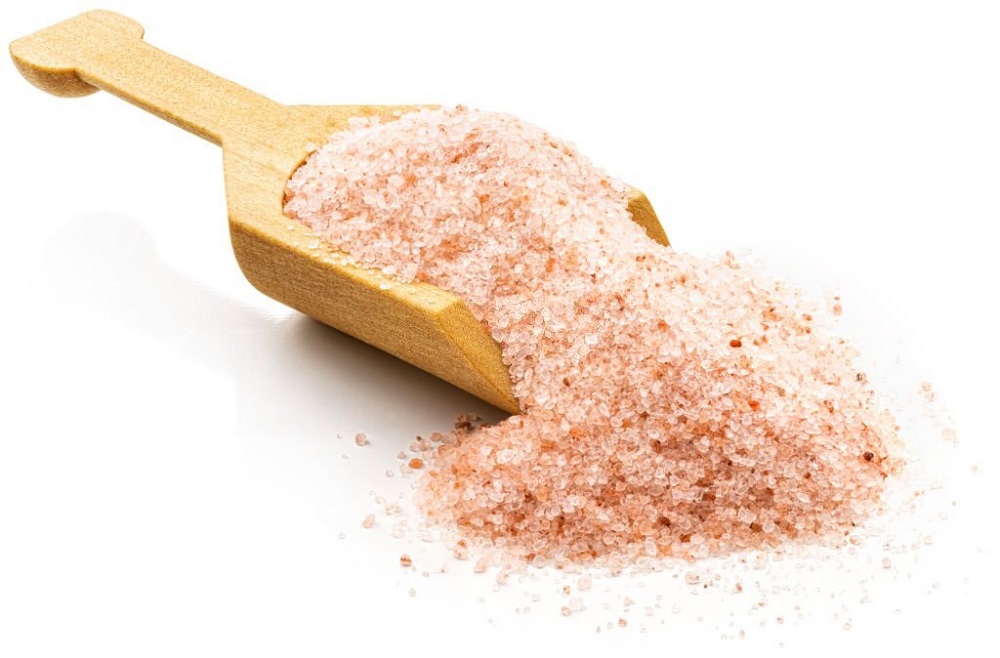
- Edible Himalayan Pink Salt (fine, coarse, granules)
- Salt Blocks & Slabs for cooking and grilling
- Salt Lamps & Decorative Items
- Industrial, spa, and wellness-use salt
- Private-label consumer packaging
Step 2 – Supplier Qualification Checklist
Choosing the right supplier is the most critical step in the entire process. Not every supplier in Pakistan operates at export or compliance standards, and mistakes here can cost time, money, and reputation.
Use the checklist below to evaluate suppliers objectively and avoid decisions based on price alone.
Source & Production Standards
- Salt sourced from Khewra, Warcha, or Kalabagh salt ranges
- Own mine or long-term mining contracts
- Mechanical washing and controlled processing
- Separate food-grade and non-food-grade facilities
Certifications & Compliance
- ISO or HACCP certification for edible salt
- Food-grade laboratory analysis report
- Certificate of Origin (Pakistan)
- MSDS for lamps, slabs, and blocks
- Registered exporter credentials
Export Experience & Documentation
- Minimum 2–3 years export experience
- Knowledge of HS codes and destination regulations
- Proper commercial invoice and packing list
- Independent handling of export clearance
Packaging & Customization Capabilities
- Bulk packaging (25kg / 50kg bags)
- Retail jars, pouches, and grinders
- Private-label and white-label options
- Custom carton and packaging support
Trust, Transparency & Communication
- Willingness to provide samples
- Clear and transparent pricing
- Timely communication
- Interest in long-term cooperation
Step 3 – Certifications & Import Compliance Requirements
Import requirements depend on your destination country and the intended use of the product. Understanding compliance early prevents shipment delays and customs issues later.
A professional exporter will assist, but importers should still understand the basics to remain in control.
Requirements for Edible Himalayan Pink Salt
- Food-grade certification
- Laboratory test report
- Certificate of Origin
- Health or phytosanitary certificate (if applicable)
Requirements for Non-Edible Products (Lamps, Slabs, Blocks)
- Material declaration
- Electrical or safety compliance (for lamps)
- Origin and export documentation
Step 4 – Packaging That Matches Your Target Market
Packaging is not just presentation—it defines your market position, pricing, and customer trust. The same salt can perform very differently depending on how it’s packaged and sold.
Your packaging decision should align with your sales channel and long-term goals.
Bulk Packaging for Wholesalers
- 25kg or 50kg bags
- Lower cost, higher volume
- Ideal for distributors and food service
Retail & Private-Label Packaging
- Jars, pouches, grinders
- Amazon and eCommerce-ready
- Strong branding and labeling focus
Compliance, Durability & Market Positioning
- Food labeling requirements
- Shipping protection
- Shelf and online appeal
Step 5 – Shipping & Logistics Basics
Most Himalayan Pink Salt exports are shipped by sea due to weight and volume. Choosing the right shipping method directly impacts your landed cost and delivery timelines.
Clear role definition between exporter and importer avoids misunderstandings.
Sea Freight Options (LCL vs FCL)
- LCL for small or test shipments
- FCL for cost efficiency at scale
Exporter Responsibilities
- Export clearance
- Commercial invoice & packing list
- Bill of lading
- HS code classification
Importer Responsibilities
- Customs clearance
- Duties and taxes
- Local delivery and warehousing
Step 6 – Cost & Margin Breakdown
Himalayan Pink Salt offers strong margins, but only when expectations are realistic and volumes are planned correctly. Understanding the numbers helps you price confidently and scale sustainably.
Bulk Edible Pink Salt (Wholesale Model)
- Lower product and packaging cost
- Moderate shipping expense
Typical margins:
- Wholesale: 20–35%
- Distributor resale: 30–45%
Private-Label Retail (Amazon & Online Brands)
- Very low raw material cost
- Medium packaging investment
- Platform fees apply
Typical margins:
- Amazon FBA: 35–60%
- Direct-to-consumer: 50–70%
Salt Lamps & Decorative Products
- Higher shipping due to weight
- Strong visual and gifting appeal
Typical margins:
- Wholesale: 25–40%
- Retail: 50%+
Step 7 – Private-Label Roadmap
Private labeling allows buyers to move from trading to brand ownership. The key is timing—scaling too early or too late both create problems.
This roadmap keeps growth structured and manageable.
Stage 1 – Market Entry
- Import bulk products
- Sell B2B or test retail channels
- Focus on demand validation
Stage 2 – Brand Foundation
- Select 1–2 core SKUs
- Design compliant packaging
- Register brand where required
Stage 3 – Scale & Authority
- Expand product range strategically
- Optimize logistics and sourcing
- Build long-term supplier partnerships
Step 8 – Who Should Import Himalayan Pink Salt?
This business model works especially well for buyers who already understand product distribution and customer demand. It’s also a strong expansion option for existing brands.
Ideal Buyers Include
- Importers and distributors
- Amazon and marketplace sellers
- Health food and wellness brands
- Spa, hospitality, and décor businesses
- Retailers planning to become wholesalers
Common Mistakes to Avoid
Most failures in this category are not product-related—they’re process-related. Avoiding these mistakes can save months of setbacks.
Frequent Errors
- Choosing suppliers based only on price
- Ignoring certifications and compliance
- Weak packaging decisions
- No clear sales or distribution plan
Article Summary at a Glance
Table 1: Import Process Overview
| Step | Focus Area | Key Outcome |
|---|---|---|
| Step 1 | Product Selection | Clear product category and target market |
| Step 2 | Supplier Evaluation | Reliable, compliant export partner |
| Step 3 | Certifications | Smooth customs clearance |
| Step 4 | Packaging | Market-ready product positioning |
| Step 5 | Logistics | Controlled landed cost and timelines |
| Step 6 | Pricing & Margins | Sustainable profitability |
| Step 7 | Private Label | Long-term brand scalability |
Table 2: Supplier Evaluation Essentials
| Area | What to Check | Why It Matters |
|---|---|---|
| Source | Pakistani salt ranges | Authentic Himalayan origin |
| Processing | Food-grade facilities | Compliance & safety |
| Certification | ISO / HACCP / Lab reports | Import approval |
| Export Experience | Documents & HS codes | Avoid shipment delays |
| Communication | Transparency & samples | Trust and consistency |
Table 3: Product Types & Best Use
| Product Type | Best For | Typical Buyer |
|---|---|---|
| Edible Salt | Food & grocery | Importers, distributors |
| Bulk Salt | B2B resale | Wholesalers |
| Private Label | Online & retail | Amazon sellers, brands |
| Salt Lamps | Décor & gifting | Home, spa, hospitality |
Table 4: Cost & Margin Snapshot
| Business Model | Entry Cost | Typical Margin |
|---|---|---|
| Bulk Wholesale | Low–Medium | 20–35% |
| Distributor Resale | Medium | 30–45% |
| Amazon Private Label | Medium | 35–60% |
| Direct-to-Consumer | Medium | 50–70% |
| Salt Lamps (Retail) | Medium–High | 50%+ |
Table 5: Private-Label Growth Path
| Stage | Focus | Goal |
|---|---|---|
| Stage 1 | Bulk Import | Demand validation |
| Stage 2 | Branding | Market presence |
| Stage 3 | Scaling | Authority & stability |
Final Thought – Build for the Long Term
Importing Himalayan Pink Salt from Pakistan is not complicated, but it requires clarity, patience, and the right partners. When done properly, it can become a stable wholesale operation or a scalable private-label brand.
The most successful buyers don’t ask, “How cheap can I buy?”
They ask, “How do I build something that lasts?”
That mindset makes all the difference.