Salt is one of the oldest and most essential minerals in human history, but not all salt looks the same. Among the many varieties, those formed from ancient salt deposits are especially fascinating, and none more so than Himalayan pink salt with its striking natural pink color. This unique hue has captivated people worldwide, leading to questions about its origin, composition, and benefits. Let’s explore why Himalayan salt is pink, what makes it different from other salts, and how its natural formation contributes to its distinctive appearance.
The Role of Naturally Occurring Minerals
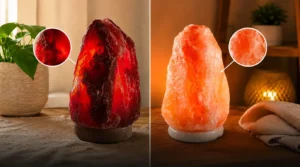
Unlike ordinary table salt, which is primarily pure sodium chloride, Himalayan salt contains a wide range of naturally occurring minerals. These minerals—such as iron, magnesium, potassium, and calcium—are responsible for the salt’s color variation. The presence of iron oxide, in particular, gives the salt its characteristic pink, orange, and reddish tones. This is why Himalayan salt can appear in shades ranging from light pink to dark pink, sometimes even showing hints of orange or deeper reddish tones.
Understanding the Type of Salt
Himalayan salt is a unique type of salt because it is harvested in its natural form, without heavy industrial processing. Unlike refined salt, which undergoes bleaching and chemical treatment, Himalayan salt is considered an unrefined salt. This distinction preserves its mineral content and authentic appearance, making it a more natural salt compared to conventional options.
Origins in the Khewra Salt Mines
The most famous source of Himalayan salt is the Khewra Salt Mines, located in Pakistan’s Salt Range. These mines are among the largest and oldest in the world, with deposits formed millions of years ago when prehistoric seas evaporated. The salt here is extracted by hand, ensuring no bleaching and no coloring are involved in the process. The result is pure, mineral-rich salt that retains its natural hues.
Color Variation and Salt Crystals of Different Grain Sizes
It’s important to note that not all Himalayan salt looks the same. Some portions of the deposits yield white salt, while others produce crystals with more intense hues. The rock salt crystals vary depending on the concentration of minerals in each section of the mine. This explains why Himalayan salt can look different even within the same batch—some grains may be pale, while others are vibrantly colored.
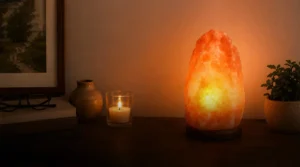
Another fascinating aspect is the variety of salt crystals of different grain sizes available. From fine powders used in cooking to large chunks for decorative lamps, Himalayan salt’s versatility goes beyond the kitchen. Larger crystals are often carved into blocks for grilling or used in spa treatments, while finer grains are popular as seasoning.
Edible Pink Himalayan Salt
Of course, the most common use remains culinary. Edible pink Himalayan salt is prized for its flavor and aesthetic appeal. Its subtle mineral notes make it a favorite among chefs and home cooks alike. Sprinkling it over dishes not only enhances taste but also adds a touch of elegance with its soft pink hue.
Table Salt vs Himalayan Salt
When comparing table salt vs Himalayan salt, the differences are clear:
- Table salt: Highly processed, often stripped of minerals, and may contain additives like anti-caking agents.
- Himalayan salt: Minimally processed, rich in trace minerals, and naturally colorful.
This distinction is why Himalayan salt is often marketed as a healthier, more natural alternative to conventional table salt.
Conclusion: Nature’s Colorful Gift
The pink color of Himalayan salt is not artificial—it’s the result of millions of years of geological processes and the presence of natural trace minerals. From the ancient salt deposits of the Khewra Salt Mines to the shimmering crystals we see today, Himalayan salt is a testament to the beauty of nature’s chemistry. Its natural pink color, diverse color variation, and mineral richness set it apart from ordinary table salt, making it both a functional seasoning and a decorative wonder.
So, the next time you see those delicate rock salt crystals in shades of light pink, dark pink, or even orange, remember: you’re looking at a piece of history, formed deep within the earth, untouched by bleaching or coloring, and celebrated worldwide as edible pink Himalayan salt.
Frequently Asked Questions
Is Himalayan pink salt healthier than table salt?
Not significantly — it’s mostly sodium chloride, but less processed and free from additives compared to table salt.
What minerals give Himalayan salt its color?
Iron oxide is the main one, along with trace amounts of calcium, potassium, and magnesium.
Does Himalayan pink salt expire?
No, it doesn’t spoil; store it dry and airtight for years-long use.