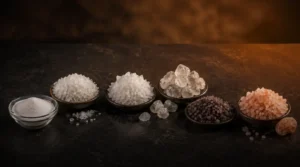
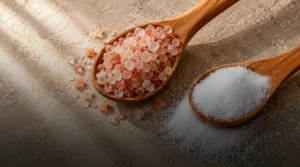
Himalayan pink salt is a versatile cooking salt for seasoning everyday meals, making marinades, baking bread, grilling meat, and finishing salads and desserts. If you’re wondering how to use Himalayan pink salt in everyday cooking, these 10 practical ideas will help you choose the right salt for different dishes.
This guide covers simple cooking methods, salt plates and blocks, and tips for using pink salt wisely.
1. Season Everyday Meals
Do you cook rice, lentils, curry, or vegetables almost every day? Try finely ground pink salt as your regular edible salt, adding a small amount while cooking and tasting before adding more.
Fine grains mix easily into most dishes, making them suitable for everyday seasoning. Whether you’re cooking for your family or preparing meals in a restaurant, the goal is simple: balance the flavor without adding too much salt.
2. Add Flavor to Fresh Salads
Give your salads a quick finishing touch with a pinch of pink salt. Sprinkle it over cucumbers, tomatoes, onions, or leafy greens.
For a simple dressing, mix lemon juice, olive oil, black pepper, and a little salt. Add the dressing shortly before serving to keep the vegetables crisp.
Try this: Add fresh coriander or mint for extra flavor without relying on more salt.
3. Make Breakfast More Interesting
Eggs are an easy place to experiment. Add a small pinch of pink salt to scrambled eggs, omelets, or boiled eggs.
Combine it with black pepper, green chilies, chopped coriander, or your favorite herbs. These simple additions work just as well for a quick home breakfast as they do for a café menu.
4. Season Grilled Meat and Fish
Planning a barbecue? Season chicken, fish, or steak with pink salt, garlic, black pepper, paprika, and lemon.
Add the seasoning before grilling or finish with a small pinch afterward. If you’re using a salty marinade or prepared sauce, reduce the extra salt to keep the flavor balanced.
For food businesses, test your seasoning mix in a small batch before preparing larger quantities.
5. Prepare a Simple Brine for Chicken
Brining means soaking meat in a measured salt-and-water solution before cooking. It can help chicken retain moisture and improve its flavor.
Dissolve the salt in water according to a reliable recipe, then refrigerate the chicken in the solution for the recommended time. Keep raw poultry refrigerated throughout the process and never reuse the raw brine as a ready-to-eat sauce.
For consistent results, measure salt by weight when following a tested recipe. Different crystal sizes can occupy different amounts of space in a measuring spoon.
6. Improve Homemade Soups and Sauces
Pink salt works well in tomato soup, vegetable soup, pasta sauce, and homemade gravy.
Add a little during cooking so it dissolves evenly. Before adding more, taste the dish, especially if you’re using stock, cheese, or packaged ingredients that already contain salt.
This small habit can help you avoid over-seasoning while keeping your ingredients’ natural flavors.
7. Season Roasted Vegetables and Potatoes
Roasted potatoes, carrots, cauliflower, and sweet potatoes are easy to prepare with pink salt.
Toss the vegetables with a little oil, salt, and your favorite herbs before roasting. You can also sprinkle a few coarse crystals on top after cooking.
Demaro Salt tip: Fine grains work well for even seasoning, while coarse crystals are better when you want a more noticeable finishing texture.
8. Add Salt to Homemade Bread and Pizza
Salt plays an important role in bread and pizza dough. It adds flavor and also affects how the dough develops and rises.
Use finely ground, food-grade pink salt in your usual recipe, and measure carefully rather than adding it by eye. Too much salt can affect the final taste and how the dough performs.
If you’re baking commercially, keep your recipe measurements consistent from batch to batch.
9. Finish Snacks and Desserts
Want to make homemade popcorn, roasted nuts, fries, or chocolate desserts more interesting?
Finely ground pink salt spreads more evenly over popcorn and snacks. For brownies, cookies, or caramel, try a tiny pinch to balance the sweetness.
Bakeries and snack manufacturers can test different grain sizes and quantities to find the right finish for their products.
10. Serve Food on Salt Plates or Cook on Salt Blocks
For special presentation, Himalayan salt plates can serve suitable foods such as cheese, sliced fruit, vegetables, and cold appetizers. Chill the plate as directed by its manufacturer, and keep in mind that it is not a substitute for proper temperature control of perishable food.
For hot cooking, you can use Himalayan salt blocks designed for culinary use with suitable foods such as thinly sliced meat, fish, shrimp, and vegetables.
Always check the manufacturer’s instructions before use. Heat a cooking block gradually, handle it with appropriate protection, and let it cool completely before cleaning with a barely damp cloth. Never immerse it in water or put it in a dishwasher.
For more detailed handling advice, consult this salt block storage guide.
Add this section after Section 10: Serve Food on Salt Plates or Cook on Salt Blocks, before “What Should You Know Before Using Pink Salt?”
Bonus Recipe: Garlic Butter Steak with Himalayan Pink Salt
Want to try Himalayan pink salt in a special meal? This simple garlic butter steak is a great place to start. The salt helps season the meat, while garlic, butter, and herbs add extra flavor.
Preparation time: 5 minutes
Cooking time: 10–15 minutes
Serves: 2
Ingredients
- 2 beef steaks (about 200–250 g each)
- ½ teaspoon finely ground Himalayan pink salt, or less to taste
- 1 tablespoon olive oil
- 1 tablespoon butter
- 2 garlic cloves, lightly crushed
- 1 teaspoon chopped fresh rosemary or thyme
- Black pepper to taste
How to Make It
- Prepare the steak. Pat the steaks dry with paper towels. Season both sides with pink salt and black pepper.
- Heat the pan. Place a heavy skillet over medium-high heat and add the olive oil.
- Cook the steak. Add the steaks and cook for approximately 3–5 minutes per side, depending on their thickness and your preferred doneness.
- Add garlic butter. Lower the heat, add the butter, garlic, and herbs, then spoon the melted butter over the steaks for about a minute.
- Rest and serve. Check that the steak has reached a safe internal temperature of 63°C (145°F), then rest for 3 minutes. Serve with roasted potatoes or fresh vegetables.
Demaro Salt tip: Start with a small amount of pink salt, especially if you’re using salted butter. You can always adjust the seasoning in your next batch to suit your taste.
What Should You Know Before Using Pink Salt?
Himalayan pink salt comes from Pakistan, including the famous Khewra salt mines. Its natural pink color comes partly from trace minerals.
Although Himalayan salt minerals include calcium, potassium, and magnesium, their amounts are too small to offer significant health benefits. Like regular salt, pink salt contains sodium and should be used in moderation.
At Demaro Salt, we recommend choosing food-grade salt, storing it in a dry, sealed container, and selecting the right grain size and packaging for your needs.
Frequently Asked Questions
1. Can pink salt be used in a salt grinder?
Yes. Choose crystals that fit your grinder and keep the mechanism dry.
2. Why does pink salt sometimes contain white crystals?
Natural salt can vary in color because its mineral composition is not identical throughout the deposit.
3. Can pink salt become hard or clumpy?
Yes. Moisture can cause crystals to stick together. Store the salt in an airtight container.
4. Does pink salt dissolve completely in water?
Most of it dissolves, but natural insoluble particles may remain depending on the product.
5. Can I use pink salt for home canning and pickling?
Use a tested canning or pickling recipe and the salt type it specifies. Other salts can affect the color and clarity of preserved foods.
Conclusion
From everyday meals to baking and creative food presentation, Himalayan pink salt offers plenty of ways to experiment in the kitchen. Start with small amounts, choose the right grain size, and follow safe handling instructions for specialized products. Start with simple, balanced seasoning.