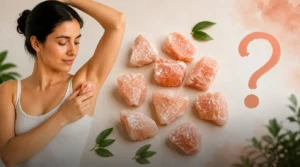
Many people believe Himalayan salt has natural antibacterial properties and use it in home remedies for skin care, oral hygiene, and minor cuts. This often raises an important question: Can Himalayan salt really be used as a natural antiseptic?
Short answer: No—not as a medically proven antiseptic. Although saltwater solutions have been used traditionally for cleansing and may provide some supportive benefits in certain situations, Himalayan salt has not been scientifically established as a substitute for medically approved antiseptic products. It should not be relied upon to prevent or treat infections.
Let’s Look at the Answer in Detail
To understand why, it is important to first understand what an antiseptic actually is.
An antiseptic is a substance designed to help reduce or prevent the growth of harmful microorganisms on living tissues, such as the skin or inside the mouth. Medical antiseptics are specifically formulated and tested for their safety and effectiveness in reducing the risk of infection.
Himalayan salt, on the other hand, is a natural mineral salt mainly composed of sodium chloride, along with small amounts of trace minerals such as potassium, magnesium, and calcium. While salt solutions can create conditions that may inhibit some microorganisms, this does not mean that Himalayan salt functions as a clinically proven antiseptic.
There is currently no reliable clinical evidence showing that Himalayan salt itself can be used as a medically approved antiseptic.
For this reason, Himalayan salt should not be used as a replacement for appropriate antiseptic products when treating wounds, preventing infections, or following medical advice.
However, properly prepared saltwater solutions may still have a role in certain everyday wellness practices. The important point is to understand where saltwater may be helpful, where its benefits are limited, and when proper medical treatment is necessary.
What Does Research Say?
Salt has been used for centuries in traditional health practices, and modern research supports some of these uses. However, it’s important to separate traditional uses from scientifically proven medical treatments.
Research suggests that saline solutions may help by:
- Cleaning away dirt and debris from certain areas.
- Supporting good oral hygiene through saltwater rinses.
- Helping keep nasal passages clean when used as a saline rinse.
- Creating an environment that is less favourable for some microorganisms.
These benefits are generally linked to saltwater solutions, not to any unique property of Himalayan salt itself.
At present, there is no strong scientific evidence proving that Himalayan salt is more effective than other suitable salts for these purposes. More clinical research is needed before it can be described as a natural antiseptic.
Potential Uses of Himalayan Salt
Although Himalayan salt should not replace medical antiseptics, it may still be useful in some everyday wellness routines when used safely.
Saltwater Gargles for Oral Comfort
Gargling with warm salt water is a common home remedy for temporary throat discomfort. It may help keep the mouth clean, loosen mucus, and provide short-term relief from minor irritation.
However, it should not be considered a treatment for bacterial or viral infections. If symptoms persist or become severe, seek medical advice. If you want the correct salt-to-water ratio and the safety points that matter, see our step-by-step guide on how to prepare a Himalayan salt gargle.
Saline Nasal Rinses
A properly prepared saline solution can help rinse away dust, pollen, mucus, and other irritants from the nasal passages. Many people use saline rinses during allergy season or when experiencing mild nasal congestion.
For safety, always prepare nasal rinses using sterile, distilled, or previously boiled and cooled water, and clean the irrigation device after each use. We look at this in more detail in our article on Himalayan salt and nasal congestion, including how it compares with medically prepared saline.
Gentle Skin Cleansing
Some people use mild saltwater solutions as part of their skincare routine to gently cleanse the skin. While this may help remove surface impurities, there is no strong evidence that Himalayan salt can treat acne, eczema, or skin infections.
People with sensitive or damaged skin should avoid excessive use, as salt may cause irritation or dryness.
Wellness and Spa Applications
Himalayan salt is widely used in bath salts, spa treatments, and relaxation products, and in aromatherapy and massage salt blends. Many people enjoy these products for their soothing experience and natural feel.
Although a warm salt bath may help you relax after a long day, claims that Himalayan salt detoxifies the body or acts as a powerful antiseptic are not supported by strong scientific evidence.
How to Use Himalayan Salt Safely
If you choose to use Himalayan salt in your wellness routine, it’s important to use it safely and with realistic expectations. It may support cleanliness and comfort in some situations, but it is not a substitute for proper medical care.
Here are a few simple guidelines:
- Use food-grade Himalayan salt from a trusted source.
- For nasal rinses, always use sterile, distilled, or previously boiled and cooled water.
- Avoid applying salt directly to deep wounds, burns, or infected skin.
- Stop using any homemade remedy if it causes irritation or discomfort.
- Seek medical advice if you notice signs of infection, such as increasing pain, swelling, redness, or pus.
Using Himalayan salt appropriately can be part of a healthy wellness routine, but it should never replace professional treatment when it is needed.
Frequently Asked Questions
Can Himalayan salt kill bacteria?
Salt can create conditions that are less favourable for the growth of some microorganisms, but there is no strong clinical evidence that Himalayan salt alone can kill harmful bacteria or work like a medical antiseptic.
Can Himalayan salt be used on wounds?
A mild saline solution may be used for gentle cleansing in certain situations, but Himalayan salt should not replace medically approved wound care products. Deep, dirty, or infected wounds should always be treated by a healthcare professional.
Is Himalayan salt better than regular salt for home remedies?
There is no reliable scientific evidence that Himalayan salt is more effective than other suitable salts for preparing saline solutions. Its popularity is largely due to its natural origin and trace mineral content.
Can Himalayan salt replace antiseptic products?
No. Himalayan salt should not be considered a replacement for antiseptics that are specifically developed and tested to prevent or control infections.
Conclusion
So, we come to the conclusion that Himalayan salt is not a medically approved natural antiseptic. However, when used safely in properly prepared saltwater solutions, it may support everyday wellness and hygiene. Always choose certified, hygienically processed salt from a supplier that can document its food-grade standards, and use it with realistic expectations.