


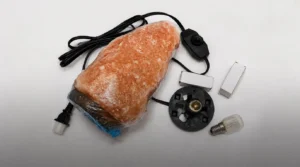
Is the Quality of a Salt Lamp Affected by the Type of Bulb Used?
The bulb drives both the glow and the heat that keeps a lamp dry. How wattage and type affect performance.

The short answer is yes, but only in limited situations.
Salt has been used for centuries in different household and agricultural applications because it can draw moisture out of living cells. When applied directly to certain soft-bodied pests, such as slugs or snails, salt may cause dehydration and eventually kill them.
However, the same property that affects pests can also harm plants and soil. Salt does not distinguish between unwanted pests and the healthy environment your garden needs to thrive. If applied carelessly or in large amounts, it can damage roots, burn leaves, reduce water absorption, and remain in the soil long after the pests are gone.
For these reasons, most gardening experts do not recommend using salt as a general-purpose pesticide. Instead, it should only be considered with caution and in very limited situations, if at all.
Key Takeaway
Salt works by removing moisture from cells through a natural process called osmosis. When certain pests come into direct contact with a concentrated salt solution or dry salt, they lose water rapidly. Without enough moisture, they become dehydrated and may die.
This effect is most noticeable on pests with soft bodies that rely heavily on moisture for survival.
Some examples include:
However, many common garden pests are much less affected by salt. Insects with protective outer shells, those living beneath the soil, or flying insects usually require different control methods.
Another important point is that salt only works where it is directly applied. It does not provide long-lasting protection, prevent future infestations, or target pest eggs hidden in the soil or on plants.
As a result, using salt alone rarely solves a pest problem in the long term.
Although salt may seem like a natural option, “natural” does not always mean safe for every gardening situation; one of the biggest concerns is that salt can affect much more than the targeted pests.
Plants need a careful balance of water and nutrients to grow. Excess salt interferes with this balance by making it more difficult for roots to absorb water from the soil.
As salt levels increase, plants may develop symptoms such as:
Young plants and seedlings are especially vulnerable because their root systems are still developing.
Unlike many organic materials that naturally break down over time, salt can remain in the soil for extended periods.
Repeated applications may lead to:
In areas with limited rainfall or poor drainage, salt accumulation can become an even greater problem because there is less natural washing away of excess salts.
Healthy soil is home to beneficial microorganisms, worms, and other organisms that support plant growth. High salt concentrations may disrupt this natural balance, making it harder for gardens to remain productive over time.
One common misconception is that salt affects only unwanted pests.
In reality, salt does not selectively target harmful insects while protecting beneficial organisms or nearby plants. If it spreads into surrounding soil or comes into contact with desirable vegetation, it can cause unintended damage.
This is one reason why gardeners are encouraged to use targeted pest management methods rather than broad applications of salt throughout the garden.
Some online sources suggest that Himalayan salt is a better or safer alternative to regular table salt for pest control. However, there is no widely accepted evidence that Himalayan salt is significantly more effective at controlling garden pests simply because it contains naturally occurring trace minerals.
Whether the salt is pink Himalayan salt, sea salt, or regular table salt, its primary effect on pests comes from sodium chloride, the main compound found in all of these salts. The same pattern shows up in other popular claims about this salt: it has no proven antibacterial effect either, despite how often that benefit is repeated online.
From a gardening perspective, the same caution applies to all types of salt:
Choosing Himalayan salt instead of another type does not eliminate these risks.
There are several situations where using salt for pest control is generally not a good idea.
Avoid using salt:
If a pest infestation is widespread or continues to return, it is usually more effective to identify the cause and use targeted, long-term management methods rather than relying on repeated salt applications.
If you’re dealing with garden pests, there are several methods that are generally more effective and less likely to harm your plants or soil than using salt.
The best approach depends on the type of pest, the size of the infestation, and the plants you are trying to protect.
Many beneficial insects and animals help control garden pests naturally.
Examples include:
Creating a garden that attracts these natural predators can reduce pest populations without harming the environment.
For small gardens, hand-picking pests can be surprisingly effective.
This method works well for:
Although it requires more effort, it avoids introducing substances that may damage plants or soil.
Healthy plants are often better able to withstand minor pest problems.
Simple practices include:
Good garden hygiene also removes hiding places where pests often breed.
If pest damage becomes severe, consider products that are designed for the specific pest you are trying to control.
Always:
Choosing the right solution is usually more effective than using a general home remedy that may cause additional problems.
Many professional growers and experienced gardeners follow a strategy called Integrated Pest Management (IPM).
Instead of relying on one solution, IPM combines several methods to manage pests while reducing unnecessary risks to plants, soil, people, and beneficial insects.
A typical IPM approach includes:
This balanced approach helps control pests while supporting long-term garden health.
If you are considering using salt for pest control, keep these points in mind:
Remember that repairing salt-damaged soil can take much longer than controlling the original pest problem.
Does salt kill insects?
Salt may kill some soft-bodied pests through dehydration if it comes into direct contact with them. However, it is not effective against many common garden insects and should not be considered a universal pest control solution.
Can salt damage garden soil?
Yes. Excessive salt can increase soil salinity, reduce water availability for plants, affect soil structure, and make it harder for many plants to grow. Repeated use may create long-term gardening problems.
Is Himalayan salt safer than regular table salt for gardens?
There is no widely accepted evidence that Himalayan salt is significantly safer or more effective for pest control than regular salt. Both contain sodium chloride, which can affect plants and soil when used excessively.
Can salt be used to kill weeds?
Salt can kill weeds, but it may also harm nearby plants and leave the soil unsuitable for future growth. For this reason, it should not be used as a routine weed control method in productive gardens.
What is the safest way to manage garden pests?
The safest approach usually combines good garden maintenance, regular monitoring, encouraging beneficial insects, physical removal of pests when practical, and using targeted pest control methods only when necessary.
Do Himalayan salt lamps attract insects or harm plants?
There is no evidence that Himalayan salt lamps attract insects. They are solid blocks of salt used as ambient lighting, and they do not release salt into a room in any meaningful quantity. For the same reason, a salt lamp placed near a houseplant will not damage it. The soil risks described in this article come from salt applied directly to the ground, not from decorative salt objects.
Is salt safe to use around farm animals or grazing land?
Scattering salt across pasture or grazing areas is not advisable, for the same soil and plant reasons described above. Livestock do need sodium, but it should be provided in a controlled form such as Himalayan pink salt licks for livestock, which allow animals to regulate their own intake without affecting the soil they graze on.
Salt can affect certain pests, but it is not a recommended general-purpose solution for garden pest control. While it may work in limited situations, excessive use can damage plants, reduce soil quality, and create long-term growing challenges. Understanding both the benefits and the risks helps gardeners make informed decisions and choose pest management methods that support healthy, productive gardens.
If you’re interested in learning more about Himalayan salt, its traditional uses, or its various food, wellness, and decorative applications, Demaro Salt offers a wide range of premium Himalayan rock salt products for customers around the world. Every product is handled under certified food-grade processing standards for food, wellness, and decorative applications.

CEO of Demaro Salt
The bulb drives both the glow and the heat that keeps a lamp dry. How wattage and type affect performance.
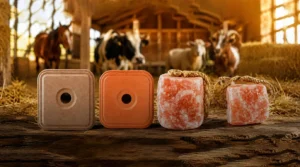
Both supplement minerals, but they suit different animals and different needs. A side-by-side look to help you choose correctly.
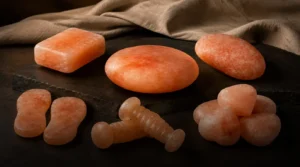
What Himalayan salt massage is, how warm salt stones may support relaxation, and the precautions to know before you try it.
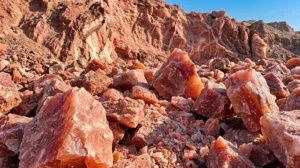
The pink comes from trace minerals locked in ancient salt deposits. Here’s what creates the colour and what it tells you.
Why Demaro Salt
Tell us what you need. Our team replies within 24 hours.