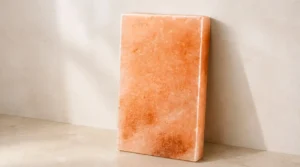
Himalayan salt bricks are mainly used to build salt walls, salt rooms, sauna rooms, wellness spaces, and salt caves. These salt bricks not only enhance a space’s beauty but also offer some really important health benefits. These bricks can help with asthma by improving the lungs.
Because of these benefits, they are widely used in hospitals, hospitality centers, and spa centers.
In this topic, we will first cover the benefits and their claims, then shift to how they are made, applied, and maintained.
The Wellness Benefits of Himalayan Salt Bricks
Himalayan salt bricks offer several tremendous wellness benefits. These benefits come from long-standing practice & believe. Let’s explore them.
From Polish Mines to Modern Cities
The first natural wellness space is the Polish salt mines. In the 19th century, Polish physician Dr. Feliks Boczkowski noticed that salt miners rarely suffered from lung diseases. Over time, the idea of using the salt mine wellness environment spread beyond Europe. This led people to ask how to create a similar environment in cities. Natural salt mines are found only in certain parts of the world, such as Pakistan’s Khewra Salt Mines. As a result, designers began creating salt rooms in city areas. This architecture replicates the subterranean mine climate for urban residents.
A similar idea appears at Pakistan’s Khewra Salt Mines, where the Pakistan Mineral Development Corporation (PMDC) established an Allergological Asthma Resort inside the mine. The facility was designed around the underground salt mine environment. This lets patients with allergy-related asthma spend several hours each day in the natural mine microclimate.
These examples show how natural salt environments have shaped modern salt spaces. Today, salt is used in many different ways. These include underground salt caves, standard salt rooms, spas, and home decor. The design and purpose may differ, but the natural look and feel of salt remain important.
How Was Halotherapy Developed?
Salt walls create the look of a salt cave, but they do not release salt particles into the air. This led to the development of the halogenerator, which crushes dry salt and spreads fine particles through the room.
Salt Bricks: From Salt Caves to Home Decor
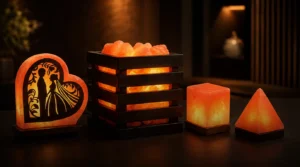
Today, salt bricks are used in many types of spaces. They can create large salt caves, standard salt rooms, wellness areas, and decorative features in homes. Their natural color and warm glow also make them useful for interior design.
Our Himalayan salt products, such as bath salt, are also used in personal wellness and relaxation.
Natural Salt Caves vs. Standard Salt Rooms
Salt caves are designed to create a more natural, cave-like setting. They may combine salt bricks with large, unrefined salt rocks and loose salt on the floor. The shapes and surfaces are often irregular.
Standard salt rooms usually have flat, machine-cut salt tiles. These create clean, even walls with a more modern look. Both designs work well in wellness spaces, but they create different looks and atmospheres.
Commercial Spas, Hospitality, and Wellness Centers
Today, spas, hotels, and wellness centers use salt bricks to create distinctive interior spaces. They can be used for relaxation areas, saunas, and other wellness settings.
Salt walls and panels can also be used in hotel lobbies, fitness centers, and waiting areas. Their warm glow creates a calm and welcoming atmosphere.
Backlit Feature Salt Walls and Panels
Salt bricks can also serve as decorative features in homes. Backlit salt walls and panels add a warm, natural glow to bedrooms, living rooms, home gyms, and other indoor spaces.
For smaller projects, pre-assembled salt panels make installation easier. These panels combine salt tiles with a lightweight backing and lighting system to create a ready-to-install feature.
Salt Bricks Sourcing, Dimensions, and Textures
The physical properties and manufacturing process of salt bricks determine their structural durability and visual impact.
Khewra Salt Mines & Other Mines
Genuine Himalayan salt bricks come from Pakistan’s Salt Range, primarily from the historic Khewra Salt Mines. Other salt mines in Punjab, Pakistan extract many tons of Himalayan rock salt every year.
Workers extract large rock salt blocks of halite using the traditional room-and-pillar mining method, leaving solid pillars to support the mine roof. This physical extraction process of pink Himalayan salt uses no chemicals, preserving the mineral quality.
The same Himalayan rock salt is also used to make mineral lick salt for livestock!
Standard Sizes and Format Specifications
After extraction, workers cut the raw salt blocks into standard industrial sizes. The most common dimensions are 1 x 4 x 8 inches and 2 x 4 x 8 inches. The thinnerone-inch bricks are ideal for lightweight wall claddings and backlighting setups. The thicker two-inch bricks provide the structural strength needed for heavy, self-supporting walls.
Smooth vs. Rough Natural Face Bricks
Salt bricks are manufactured in two distinct textures. Smooth-cut bricks are flat on all sides, delivering a clean, modern aesthetic for minimalist interiors. Rough-faced bricks retain a natural texture on the front side while remaining flat on the back. This choice adds a rugged, rustic dimension to the installation.
How to Build Wellness Spaces with Salt Bricks
Constructing a durable salt wall requires specialized planning because mineral rock salt behaves differently than traditional clay masonry materials.
Installation Techniques in Wellness Spaces
There are two main ways to build salt walls. The first is dry stacking. The bricks are secured in a modular aluminum frame without permanent glue. This makes the wall easy to disassemble.
The second method uses a specialized, non-toxic, eco-friendly adhesive. It bonds the bricks to create a solid, seamless wall.
Integrating LED Backlighting
Engineered salt walls require an intentional air gap behind the bricks to install low-heat LED strip lighting. The gentle heat from these lights serves a dual purpose. It prevents localized moisture accumulation and warms the crystal matrix. This thermal activation optimizes the hygroscopic cycle, ensuring continuous air-cleaning performance.
Protecting Your Wellness Spaces
A salt wall can maintain its structural integrity for decades if you protect it from specific environmental risks.
Humidity and Weeping
Sodium chloride dissolves easily when exposed to high relative humidity. Installing salt brick walls in unventilated wet spaces, like bathrooms or indoor pools, causes the bricks to absorb excess moisture. This leads to “weeping,” where water runs down the wall and slowly melts the salt. Keeping a Himalayan salt room’s humidity below 45% with a dehumidifier is mandatory.
Safe Cleaning Practices
Do not apply water, liquid chemicals, or damp cloths to clean salt bricks. Liquids dissolve the mineral surface and ruin the crystalline texture. Proper maintenance requires periodic dry dusting with a microfiber cloth. You can also use a vacuum cleaner equipped with a soft brush attachment.
Natural Air Purification
Hygroscopy is salt’s ability to attract and hold water molecules from the air. Indoor moisture carries dust, pollen, and smoke particles. When this moisture contacts a salt brick, the pollutants become trapped on the surface. As the moisture evaporates with temperature changes, the dust stays behind. This natural cycle works as a passive air filtration system.
The Calming Psychology of the Amber Glow
Chromotherapy uses colored light to help create a relaxing atmosphere and support a sense of calm. Because Himalayan pink salt is translucent, it allows light to pass through its crystal structure. Backlighting the salt bricks filters the light into a soft amber-and-pink spectrum. This specific warm illumination signals the brain to lower stress, stabilize the heart rate, and enhance mood. This whole process also known as salt room therapy.
Conclusion
Himalayan rock salt bricks combine natural design with practical interior applications. They can transform spaces into warm, visually striking environments, from large salt caves to standard salt rooms to small backlit home panels. Proper humidity control and dry-cleaning are important for maintaining these installations over time.