Over the past thirty years, Himalayan pink salt has become one of the world’s most famous natural salts. Its bold pink color, rich mineral content, and wide range of uses have made it highly popular across global markets.
The mining of Himalayan pink salt is considered a major part of the global salt industry. Authentic pink salt from Pakistan is found only in the salt mines in Pakistan, mainly located in the Salt Range of Punjab Pakistan.
Although many people assume it comes directly from the Himalayas, this mineral salt is actually extracted from ancient salt deposits formed millions of years ago. These deposits developed in deep salt beds and were preserved naturally within underground mines over time. This entire system is part of mining of salt and structured salt production across the region.
The extraction of Himalayan rock salt crystal is carried out through traditional mining systems in Pakistan.
Origin of Himalayan Pink Salt in Pakistan
Himalayan pink salt gets its trademark look from natural trace minerals. Those beautiful pink salt crystals and every Himalayan rock salt chunk were formed millions of years ago, back when ancient seas dried up and left thick salt beds and layers of salt behind. Over time, geological shifts buried these salt deposits beneath mountains, keeping them pure and untouched. This process created a remarkable natural formation that helped preserve the purity of the salt.
Pakistan is home to the world’s most important salt mines, and they’re the only commercial source of real Himalayan pink salt. This makes it a key part of the salt mining industry, salt production, and overall mineral salt economy. The region is also strongly connected with the broader system of salt mining in Pakistan, which supports large-scale extraction and trade.
This is why it is widely known as Pakistan salt in international trade.
Where Does Himalayan Pink Salt Come From?
Most Himalayan pink salt comes from the famous Khewra salt mine in Punjab Pakistan. It’s not just one of the country’s oldest mines—it’s also among the largest, with reserves of millions of years old salt. The mine supports extensive mining operations and continues to provide natural salt for generations. This entire system is part of structured salt production, where rock salt is carefully managed and processed.
This is the main source of Himalayan salt from Pakistan.
The story of Himalayan pink salt goes way back to around 320 BC, when it was reportedly discovered during Alexander the Great’s campaigns. This is an important part of Himalayan salt history. Later, under British rule, mining became more organized and they built a modern tunnel system, making it easier and safer for workers to do underground mining inside underground mines.
How Is Himalayan Pink Salt Mined?
These days, Himalayan pink salt mining and Himalayan salt mining use carefully planned techniques to keep both miners and the mine safe. The process is all about keeping the salt high-quality and making sure everyone stays safe on the job. The main way they do rock salt mining is called the room and pillar method, which is one of the safest ways to mine salt. The entire mining process relies on carefully planned mining techniques and safe methods of mining of salt.
Room and Pillar Method
With the room and pillar method, miners only take out some of the salt, leaving big pillars behind to hold up the roof. These pillars keep the mountain steady, so mining can go on safely and the valuable salt deposits stay protected.
Extraction Process
The extraction process starts with experts figuring out where the best salt deposits are, then opening up access through the mine’s tunnel system. Back in the days, miners used some drilling and blasting, but now, most Himalayan salt mining is done by hand. The modern system of extraction from mines allows workers to reach the deposits efficiently and safely.
Using hand mining helps keep the crystal structure and quality of Himalayan rock salt intact, and it’s easier on the environment too. This careful approach has made the mining of Himalayan pink salt a great example of responsible resource management.
Processing of Himalayan Pink Salt
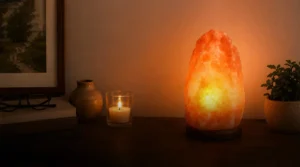
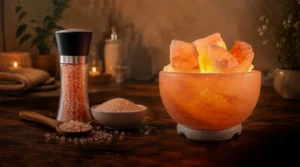
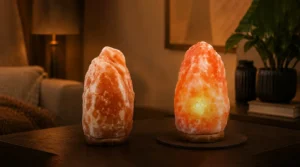
After big pieces of rock salt are taken from the mine, they’re sent to processing plants. There, the salt is cleaned, sorted, and made into different sizes and shapes for all kinds of uses. Some salt pieces are turned into decorative items, while others become edible salt or are used for industrial products. This entire system supports structured salt production and efficient processing of natural salt resources.
One of the best-known products from these mines is pink Khewra salt. It’s shipped all over the world and loved for its natural look and versatility.
Sustainable Himalayan Salt
Modern salt mining in Pakistan is all about protecting the environment, practicing responsible resource management, and making sure extraction is safe. This is often referred to as sustainable Himalayan salt due to its responsible extraction practices.
A big reason why Himalayan pink salt is so popular is that mining it means caring for the environment and running efficient operations. Miners skip using too many explosives and rely mostly on hand mining.
By leaving large parts of the mine untouched with the room and pillar method and carefully managing how natural salt is taken out, the industry makes sure these amazing mineral salt resources stick around for future generations.
Fine and Coarse Salt Grades
Fine Himalayan pink salt is a kitchen favourite. The small, even grains dissolve quickly, which makes it perfect for cooking and baking when you want everything just right.
Coarser types have bigger crystals and are usually sold as decorative products or for use in grinders. Some are even turned into salt blocks for cooking or decoration.
Himalayan Salt Cooking Blocks
We also carve Himalayan salt Coking Blocks from large chunks of salt. People use these blocks for grilling, serving food, and making dishes look awesome at home or in restaurants. Their beautiful color and toughness have made them a big hit worldwide.
Final Thoughts
From its ancient beginnings in the Salt Range to today’s carefully managed Himalayan pink salt mining, the story of Himalayan pink salt is a fascinating mix of natural wonder and human skill. The Khewra salt mine is still one of the world’s top sources for Himalayan rock salt and stands as a proud symbol of Pakistan’s mineral heritage.