







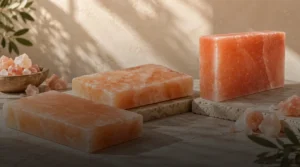
Himalayan Salt Bricks: Usage, Benefits, and Applications Explained
Learn how Himalayan salt bricks are used in cooking, décor, salt rooms, and wellness spaces, with practical buying tips.

Both salts are mainly sodium chloride (NaCl). The key difference between iodized and non-iodized salt is whether iodine has been added. When iodine is intentionally added to salt, it’s called iodized salt. The amount added varies by country, with some standards using around 20 to 40 mg of iodine per kilogram of salt.
Himalayan salt generally contains no added iodine. It may contain trace amounts of naturally occurring iodine, but these amounts are not necessarily enough to make it a reliable source.
Himalayan salt can also be iodized during processing, so always check the product label or specifications.
Iodized salt is salt with iodine added during processing. The iodine is usually added as iodide or iodate. Both provide iodine, but they are different forms. Iodide is a simple form that dissolves easily in salt, while iodate is more stable, especially in some storage conditions. Both can add iodine to salt safely and effectively.
This makes iodine a regular part of the diet through a common food product. The amount added can vary by country and local standards.
Natural salt is usually sold as non-iodized because it has no added iodine. Some natural salts hold only tiny amounts of iodine, and those amounts are not a reliable dietary source. Salt becomes iodized only when processors intentionally add iodine.
Salt labeled “non-iodized” does not automatically mean it’s natural, unprocessed, or healthier unless it is labeled as such. Many types of salts are provided without added iodine, including Himalayan salt, sea salt, and Kosher salt.
Iodine is needed to make thyroid hormones. These hormones support normal growth, development, and body functions. That’s why most countries add iodine to salt so that people get it through everyday food.
According to the World Health Organization (WHO), an adult’s daily salt intake of the salt should be less than 5 grams per day. This limit focuses on sodium and heart health, and it does not guarantee you will get enough iodine through this intake.
So, if you want the planned iodine from salt, choose a product clearly labeled iodized and follow your country’s fortification rules. Also look at your overall diet, and ask a doctor if you have questions about your iodine needs.
Himalayan salt is generally not iodized unless iodine has been added during processing. When iodine is added to salt, the amount can vary by country. Many standards use around 20 to 40 mg of iodine per kilogram of salt, but each country can set its own permitted level.
Himalayan pink salt may contain trace natural iodine, but that doesn’t make it an iodized salt or a reliable iodine source. Some Himalayan edible salt products are iodized during processing, so check the label or product specification.
Iodized and non-iodized salts can look similar, but they differ in several key ways. The table below compares their iodine content, main component, common examples, and the main feature that sets them apart.
|
Feature |
Iodized Salt |
Non-Iodized Salt |
|
Added iodine |
Yes |
No |
|
Iodine level |
Added and controlled |
No added iodine |
|
Main component |
Sodium chloride |
Sodium chloride |
|
Common examples |
Iodized table salt |
Typically Himalayan, sea, kosher (unless labeled iodized) |
|
Main difference |
Iodine is intentionally added |
Iodine is not intentionally added |
The key point is that iodized vs. non-iodized refers to the amount of added iodine. It doesn’t include whether the salt is refined, natural, processed, or unprocessed.
Natural Himalayan salt comes from rock salt deposits in the Himalayan Salt Range. It is often linked with the famous Khewra Salt Mines in Pakistan. The salt is also known as Himalayan pink rock salt.
Himalayan salt is usually pink because of small amounts of minerals and other natural components. It is available in fine, coarse, and large crystals.
Iodized salt is defined by its added iodine, not its color or origin. It is often white and fine-grained, but this can vary. The main difference is iodine. Himalayan pink rock salt often sells without iodine, but some brands also sell iodized Himalayan salt, and they clearly mention this on the product label. However, we at Demaro Salt export iodized salt to South American countries such as Argentina, Brazil, and Colombia, as required by their regulations.
Both iodized & non-iodized salt can be used as culinary salt. The choice can depend on the recipe, crystal size, taste, product type, and iodine needs.
Demaro ships iodized pink rock salt to markets such as Brazil when local rules require fortification. The NMIP lab report below measured iodine as i₂ at 43.4 ppm in pink rock salt granulate.

The easiest way is to check the product label. Look for terms such as iodized, iodine, iodide, or iodate.
A product specification may also state whether iodine has been added and show the iodine level. A lab report can provide more detailed information when exact iodine content matters. Do not use color as a test. Pink, white, or grey salt can be iodized or non-iodized.
No single salt suits everyone.
If you want salt with added iodine, choose a product clearly labeled ‘iodized’. If you prefer Himalayan salt, sea salt, or kosher salt without added iodine, choose a clearly labeled ‘non-iodized’ product.
Your choice may also depend on the recipe, crystal size, taste, and product type. If iodine intake is a concern, consider your overall diet, not salt alone. If still unsure, consult your physician.
Although the choice is yours, customs clearance can raise an issue when importing salt. Countries that regulate salt require it to be iodized, such as Brazil and South Africa; otherwise, they won’t clear the shipment. Thus, living in such a country restricts you to importing and eating only iodized salt.
Only iodized salt provides the highest and most consistent iodine because iodine is added in controlled amounts. The exact level depends on the country and product.
People who need more dietary iodine may prefer iodized salt. Those following a doctor-recommended diet or using other iodine sources may avoid iodized salt and eat non-iodized.
According to the National Institutes of Health (NIH), USA, most adults need about 150 micrograms of iodine daily. Requirements are higher during pregnancy and breastfeeding. However, this amount can vary by country.
If your diet is lacking iodine, you may not get enough for normal thyroid function.
No type of salt is automatically the healthiest. Choose a salt that suits your needs, and use it in moderation. If iodine is a concern, iodized salt may help.
Disclaimer: Demaro Salt provided information in this article for general educational and informational purposes only. It is not intended to provide medical, nutritional, or dietary advice, or to diagnose, treat, cure, or prevent any health condition. Iodine needs can vary from person to person and may depend on age, diet, and other factors. If you have concerns about your iodine intake or health, please consult a qualified healthcare professional.
In simple terms, iodized and non-iodized salt mainly differ in whether iodine has been intentionally added. Himalayan salt is generally non-iodized, but it can be iodized if it’s processed intentionally in that way. When iodine content matters, check the product label, specification, lab report, or consult a qualified healthcare professional.

Learn how Himalayan salt bricks are used in cooking, décor, salt rooms, and wellness spaces, with practical buying tips.
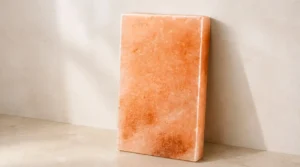
Stored badly, salt blocks crack and absorb moisture. The storage steps that keep stock sellable from warehouse to customer.

A working salt lamp gets warm, not hot. What normal feels like, and the signs that something is genuinely wrong.

Before talking about the Himalayan salt bath, let me say something on Himalayan salt. Himalayan salt